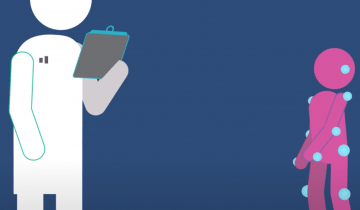
This research studied falls in ambulatory children and adults with CP specifically asking how often they’ve fallen, fall-related injuries experienced, circumstances around the fall, the level of fear or concern about future falls, and the extent to which they do or don’t avoid certain activities due to their concern about falling. This study sets a strong foundation for future fall research, quantifying the breadth and depth of the problem across a large spectrum of age and walking ability.

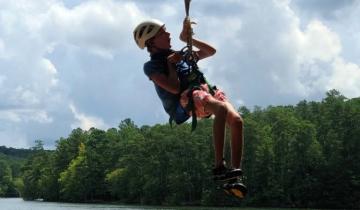
Summer Camp is an experience that can benefit children with Cerebral Palsy! Camps create opportunities to make friends, learn new skills, build confidence, have an adventure, make a mess, and just have fun! Camps gives kids with disabilities the opportunity to just be kids. NO LIMITS. Whether it be a day camp or an overnight camp, there is bound to be something for everyone.
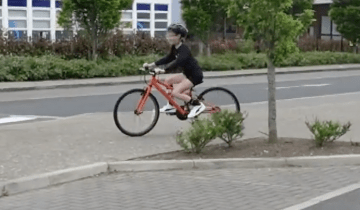
These instructional videos brought to you by Enable Ireland are designed to give families the tools to help teach children with ambulatory CP the skills needed to ride a bike with confidence.
In Episode 3 of Coffee Talk, Nathalie and Jen discuss their experiences with fitness for their sons with CP.
This recent study found that over half of children and young people with Cerebral Palsy have more than one movement disorder, which is more common than previously thought.
Dr. Heather Riordan explains how different motor types can occur at the same time in some people and how to decide what to treat first.
Neurologist and movement disorder specialist, Heather Riordan, MD, describes the Chorea in Cerebral Palsy and what to do if it is impacting your function.
Ian "Two Guns" Cannon shares his story of overcoming adversity and empowerment through adaptive boxing.
Accessible Yoga Practices is a great weekly newsletter and downloadable yoga guide for those with disabilities and caregivers interested in practicing yoga, on your own terms.
Do you or your child have movements that are difficult to control? Is your mobility and function impacted by abnormal movements or do these movements cause pain? If so, you or your child may have Dyskinesia. If you want to learn more, including how it is treated, don't miss this educational Town Hall with experts Dr. Heather Riordan, from Kennedy Krieger Institute, and Dr. Michael Kruer, from Phoenix Children's.
This review explores how muscles adapt to various forms of exercise in children and adolescents with CP.
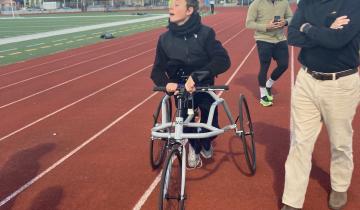
Frame Running is a growing sport and now there is now a central hub for frame running information across the United States and Canada!
CPF Executive Director Rachel Byrne and Dr. Heather Riordan, Director of the Phelps Center for Cerebral Palsy at the Kennedy Krieger Institute discuss dyskinesia.
Learn more about the many adaptive recreational and competitive sports for individuals with cerebral palsy.
Too often, people with disabilities are relegated to being passive when it comes to the arts.
Jerron Herman, dancer, actor, trainer and more describes how he moves with spastic hemiplegia...and it might just surprise you!
Dr. Tom Novacheck, of Gillette Children's, describes the characteristics of the 4 types of unilateral, otherwise known as hemiplegic gait, and how the use of clinical instrumented gait analysis can help with treatment decision making.
Dr. Tom Novacheck, Gillette Children's, describes what to look for in each of the 4 different gait patterns seen for those with bilateral cerebral palsy and considerations for each type.
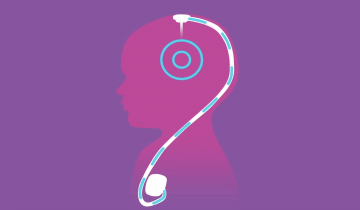
Dr. Debbie Song, Gillette Children's, gives an overview of common neurosurgical procedures to address global tone in individuals with cerebral palsy.
The Dyskinetic Cerebral Palsy Functional Impact Scale is a new tool useful measuring the functional impact of dyskinesia on children's movements and postures and the perceived impact of dyskinesia on daily activities. It can can help identify priorities for intervention.
This systematic review looks at all available evidence for pharmacological/neurosurgical interventions for managing dystonia in individuals with cerebral palsy to inform the AACPDM care pathway.
Hypotonic CP, also known as hypotonia, is a form of cerebral palsy that causes low muscle tone. In other words, the muscles are overly relaxed and your child may feel floppy.
Mixed types of CP refer to symptoms that don’t correspond to any single type of CP but are a mix of types. For example, a child with mixed CP may have some muscles that are too tight and others that are too relaxed.
Ataxia affects balance and depth perception. Children with ataxia will often have poor coordination and walk unsteadily with a wide-based gait.