Our educational series continued with a panel of experts from Scottish Rite for Children and the University of Texas Southwestern Medical Center on Thursday, March 25th, 2021. This virtual event featured a multi-disciplinary panel discussion.
Drooling is an important problem for many individuals with CP and there are a number of interventions available to treat symptoms. If an individual with CP or their caregiver have concerns about drooling it is important to discuss with a health care provider. Care pathways such as the AACPDM pathway can be a starting point for shared decision making. In all cases, working together as a team is important in choosing the best alternative. Children and adults with CP may have trouble with drooling, or saliva management. In the medical world, drooling is referred to as sialorrhea. Saliva plays an important role in eating but also can interfere with airway clearance and breathing, as well as social participation. When drooling has this kind of impact it becomes important to consider intervention.
If you're interested in learning more about what is involved with genetic testing and how a visit with a genetic counselor might be helpful, join Cynthia Frisina, the host of Let's Talk CP, as she dives deep with licensed genetic counselor, Danielle Lemke and they talk about what genetic counseling really is, how it can help and what it might be used for as it relates to potential genetic causes of cerebral palsy.
Can there be a genetic cause of Cerebral Palsy in some cases? Let's Talk CP host, Cynthia Frisina talks with Dr. Michael Kruer about this topic and his ground-breaking research in Part 1 of a two-part discussion about the possible genetic causes of CP. When Michael Kruer was in medical school, he knew he wanted to work with children. With advancements in gene therapy opening up incredible opportunities in neuroscience, he realized he could be a part of something much bigger than himself and give children affected by movement disorders like cerebral palsy hope that didn’t seem possible just a few years ago.
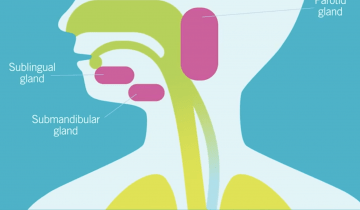
Many children with cerebral palsy (CP) have difficulty controlling saliva. Drooling varies in severity and can be distressing for the children, families and caregivers. Chronic drooling is referred to as Sialorrhea and occurs as a result of limitations in a person’s ability to control and swallow oral secretions.
An international study recently published in the journal Nature Genetics has provided the first firm evidence that for a substantial number of people, their cerebral palsy (CP) may be caused by a genetic mutation, or mis-spelling in the body’s DNA blueprint.
"In addition to commonly associated environmental factors, genomic factors may cause cerebral palsy. We performed whole-exome sequencing of 250 parent–offspring trios, and observed enrichment of damaging de novo mutations in cerebral palsy cases."
Wondering what to expect if your child has an appointment with a pediatric orthopedic surgeon? Still confused about the different types and levels of cerebral palsy? Dr. Hank Chambers, who is also the father of an adult son with CP, talks about different considerations for different ages and stages of a child with cerebral palsy.
Preparing yourself and your child well for medical appointments means a better experience for everyone. Our “Let’s Talk CP” podcast series continues Cerebral Palsy Foundation host, Cynthia Frisina talking with Physiatrist Dr. Lisa Thornton about cerebral palsy, spasticity and what to expect at many kinds of medical appointments. Questions include what to expect when procedures like botulinum toxin injections are recommended, how to talk with a clinician when “little ears” are listening, and much more. This episode is made possible with the support of Ipsen Biopharmaceuticals.
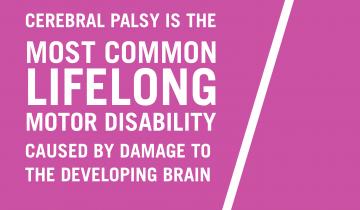
Cerebral palsy refers to a group of conditions that are caused by problems in brain development and that affect how movement and motor control happen in children. Problems with walking and talking are often the way people start a conversation about cerebral palsy.
For women with Cerebral Palsy, self-advocacy is probably the most important part, but it's also probably the hardest part because most of those doctors have not encountered women with disabilities. You really have to tell them what you need and tell them what to expect.
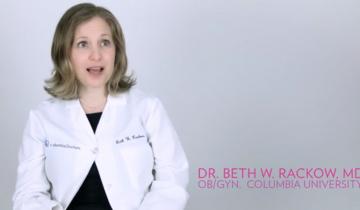
When scheduling and preparing for an OB/GYN appointment, women with Cerebral Palsy have additional challenges to consider and address when both scheduling the appointment and once they go their appointment.
For women with Cerebral Palsy, finding a new OB/GYN can be difficult for a variety of reasons: accessibility (both to the building and in the exam rooms), staffing and supports for additional physical needs and more.
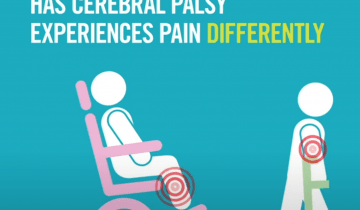
There are so many different causes for potential pain that it can be hard to find the cause. If you have CP or are a parent of someone with CP it is really important to empower yourself with information on pain including what causes it and options for treatment. You need to work out what is causing the pain not just mask it with pain medication.
Oropharyngeal dysphagia, or OPD, is an impairment of the oral or pharyngeal phases of the swallow. This can impair muscle movements and coordination of the mouth, such as the lips, tongue, jaw, cheeks, palate, and also muscles of the pharynx and the entry to the airway.
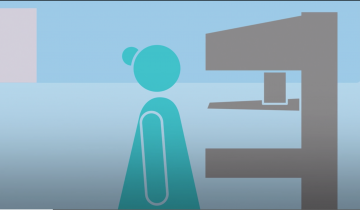
It is recommended that women start having mammography screenings starting at about the age of 40, and it becomes more difficult to obtain these services if you have a disability.
This fact sheet has been created for women with cerebral palsy to provide answers to some common questions about CP, pregnancy, and birth. Women with CP should follow general guidelines about getting healthy before getting pregnant, but women with CP may need to do other things as well to prepare for pregnancy.
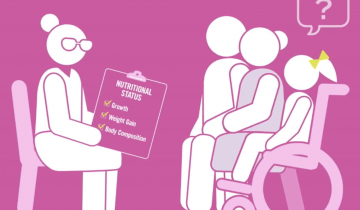
Weight, height and body composition are important indicators for development. The tools used to measure these can be different for children with cerebral palsy.