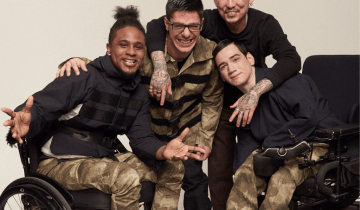
Our Accessible Holiday Gift Guide is a great place to find gifts, gadgets, gear, and more...not just for the holidays but for birthdays or any day you are looking for something special, all year round!
Are you wondering how spasticity impacts movement, mobility and function? What tools do physicians have in their tool box to treat spasticity and how do can you help to maximize the impact of these treatments? This virtual event covers it all featuring two of the leading experts in Spasticity and Spasticity Management.
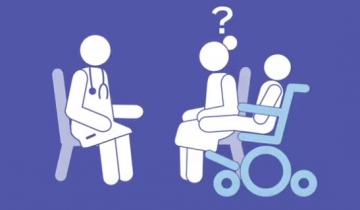
The American Academy of Pediatrics has updated its recommendations for Primary Care Providers to provide a "Medical Home" for children and youth with cerebral palsy. This comprehensive update gives primary care pediatricians the guidance they need to address the many needs that children and youth with CP experience and coordinate care across disciplines. The Cerebral Palsy Foundation has created a checklist to help guide you in raising your child with CP to living the healthiest life possible and ensure that you and your pediatrician are addressing all of your concerns.
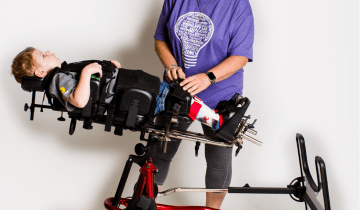
Supportive Standing Devices, also known as Standers, are frequently recommended equipment for individuals who are primarily wheelchair users. There are lots of different types of standers which can support a range of different physical and activity needs. Learn more about them here!
Standing devices and standing wheelchair devices are frequently prescribed and often denied equipment options for individuals with cerebral palsy. The attached paper provides evidence and guidance to help appeal to insurers for this equipment.
Complex Rehabilitation Technology serves to enhance the lives of individuals who utilize it with the goals of maximizing health, wellbeing, participation and independence.
Bimanual therapy, also referred to as intensive bimanual training, engages patients in active play or practice to improve the use and coordination of both hands. Bimanual therapy is different from similar unimanual therapies, like constraint-induced movement therapy (CIMT), because it promotes simultaneous use of both hands.
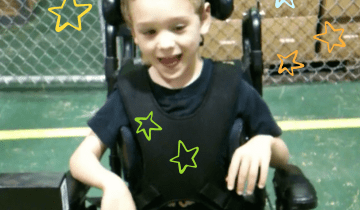
Powered mobility can offer users young and old a level of freedom and independence that may not be achieved through manual wheelchairs or other mobility devices.
Adults with Cerebral Palsy have unique care needs related to physiological changes that occurred with growth and development with Cerebral Palsy, including mental health, yet experience many barriers to proper care.
On Thursday, March 24th, 2022, the Cerebral Palsy Foundation hosted the first ever Cerebral Palsy Congressional Briefing with a panel of physicians, patient and self advocates.
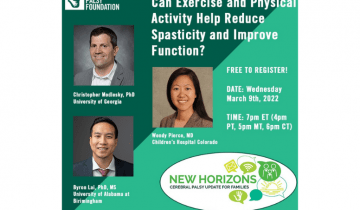
Our educational series continues with this virtual event featuring a multi-disciplinary panel discussion on exercise and physical activity and its impacts on spasticity and function.
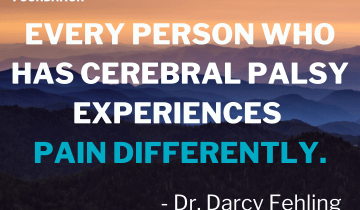
The Cerebral Palsy Foundation has created a factsheet to help guide you in understanding and treating pain with CP. This fact sheet has been created for individuals with cerebral palsy to provide basic guidance surrounding common causes and potential treatment of pain.
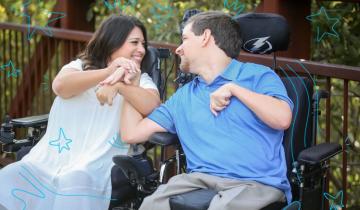
Growing up with Cerebral Palsy I often wondered if I would ever experience my happily ever after. The fairytales my mom read me always followed the life of a beautiful princess falling in love with a handsome prince. You never read about a prince and princess in wheelchairs or with any type of disability for that matter.
The Cerebral Palsy Foundation has created a checklist to help guide you in living the healthiest life possible. This checklist has been created for adults with cerebral palsy to provide basic guidance surrounding routine and additional screenings that should occur as part of your primary and preventive care.
Adults with Cerebral Palsy have unique care needs related to physiological changes that occurred with growth and development with Cerebral Palsy, including mental health, yet experience many barriers to proper care.
Though the initial insult or injury to the brain that causes cerebral palsy is non-progressive, aging with cerebral palsy and lack of physical activity during critical periods of development can impact biologic and metabolic function for adults with cerebral palsy.
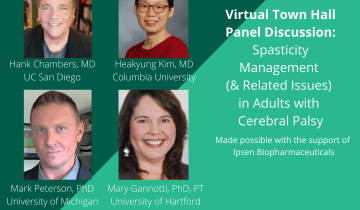
Our educational series continues with this virtual event featuring a multi-disciplinary panel discussion on spasticity management and related issues for adults with Cerebral Palsy!
In 2014 the Achieving a Better Life Experience Act was passed. The ABLE account is a tax-advantaged savings account for individuals with disabilities. The individual with the disability is the account owner and anyone can contribute to the account – the account beneficiary, family, friends, even a Special Needs Trust.
A special needs trust is a written legal agreement that enables an individual with a disability to qualify or remain qualified for means tested government benefits, such as medicaid, SSI or even medicaid waivers.
Cohort-based whole exome and whole genome sequencing and copy number variant (CNV) studies have identified genetic etiologies for a sizable proportion of patients with cerebral palsy (CP). These findings indicate that genetic mutations collectively comprise an important cause of CP.
CPF Executive Director Rachel Byrne and Lily Collison with Kara Buckley and individuals from the book Pure Grit, talk about what it takes to be successful with a disability.