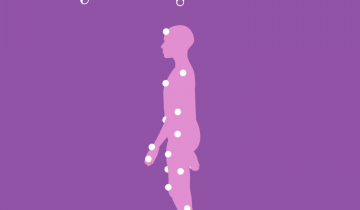
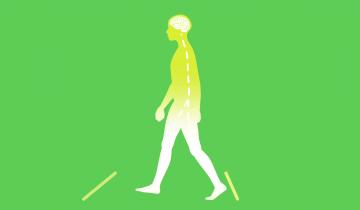
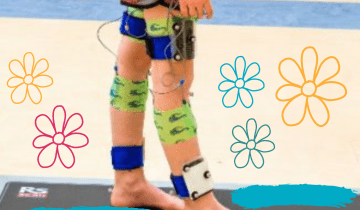
This research studied falls in ambulatory children and adults with CP specifically asking how often they’ve fallen, fall-related injuries experienced, circumstances around the fall, the level of fear or concern about future falls, and the extent to which they do or don’t avoid certain activities due to their concern about falling. This study sets a strong foundation for future fall research, quantifying the breadth and depth of the problem across a large spectrum of age and walking ability.
This presentation from the 2023 AACPDM Community Forum presents and overview and a model creating opportunities for employment for individuals with disabilities.
This study tested the safety and effectiveness of a neuroscience-based, multi-component intervention designed to improve motor skills and sensory processing of the more-affected arm and hand in infants with CP where one side is more impacted than the other (asymmetric CP).
Dr. Nathalie Maitre discusses the CPF Early Detection and Intervention Network and helps us to understand how babies learn, how CP impacts the developing brain, and early intervention strategies that can help.
Dr. Tom Novacheck, of Gillette Children's, describes the characteristics of the 4 types of unilateral, otherwise known as hemiplegic gait, and how the use of clinical instrumented gait analysis can help with treatment decision making.
Dr. Tom Novacheck, Gillette Children's, describes what to look for in each of the 4 different gait patterns seen for those with bilateral cerebral palsy and considerations for each type.
CPF Executive Director Rachel Byrne and Christina Smallwood talk about parenting, raising a child with cerebral palsy and helping her learn to advocate for herself.
In this 2022 episode of "Let's Talk CP" host Jen Lyman talks with neurosurgeon, Dr. Debbie Song, and physiatrist, Dr. Marcie Ward about their role in the care of Cerebral Palsy at Gillette Children's.
In this new 2022 episode of "Let's Talk CP" host Cynthia Frisina talks with Dr. Tom Novacheck and Dr. Andrew Georgiadis from Gillette Children's about gait, gait analysis, and what makes Gillette Children's such a special place.
Individuals with disabilities have opportunities to work, receive employment training and coaching, benefits counseling and save money without losing means tested benefits. This podcast discusses these options.
Vocational Rehabilitation (VR), operated by the Department of Education, can be utilized for their many tools to aid those with disabilities in the preparation for the job search, finding gainful employment, and maintaining this employment.
What do you do when you want to help your child but your local providers don't have the resources? You travel for treatment. In this personal story, Sophia's family describes their experiences traveling to Gillette Children's for treatment, including both neurosurgical and orthopedic surgeries.
As cities and states across the countries are lifting the COVID-19 lockdown orders, people are returning to work at their offices. However, since the virus is still very much going around, employers must be vigilant about keeping their workplaces as safe as possible. Although we might be seeing a sense of “normalcy,” there’s still a long way to go before reaching the pre-pandemic normalcy—if we