Preparing those with CP for orthopedic surgery is an important step to ensure the best outcomes. The following research review highlights important steps and considerations.
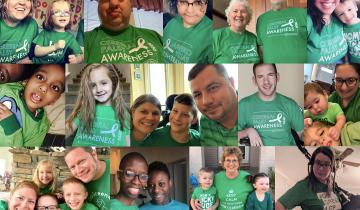
I began thinking about this in regards to CP Awareness Day a bit differently. If we think about even the name, Cerebral Palsy Awareness, there are so many things I imagine you would like others to be aware of, as caregivers and Cerebral Palsy warriors. What does awareness mean to each of us, personally?
In 2025, there are thousands of reels, social media accounts and testaments to the badassery that is required to live with CP. And though the world still has a long way to go, the pride, wholeness and strength of this community never ceases to amaze me.
Whether you are a caregiver or an individual with CP, the decision to pursue a treatment or therapy can be daunting. Use this guide to help you sort through the hype and determine what might help.
March is National Cerebral Palsy Month in the United States and is an opportunity to highlight the history of cerebral palsy advocacy - where we’ve been, where we are currently, and the opportunities that are ahead.
Cynthia Frisina discusses the purpose and importance of Cerebral Palsy Awareness Month and Day to bring people together to advocate for better healthcare, research advancements, funding and more those with CP and their families.
The Research Works podcast is designed for health professionals in the area of child health, where we discuss emerging, modern, evidence based research.
Intervention to improve function for children and young people with cerebral palsy needs to include client-chosen goals and whole-task practice of goals. Clinicians should consider child/family preferences, age, and ability when selecting specific interventions.
In 10% to 15% of cases, there is no clear cause of CP. There is increasing recognition that genetics plays a part, but no standardized approach to genetic testing in patients with CP exists. In this study we asked the question whether both people with and without known risk factors for CP should have genetic testing.
People with disabilities represent more than 27% of the United States adult population, making them the single largest minority group in the country. This new NIH designation, new research program and update to NIH mission are actions to ensure inclusion of people with disabilities.
The 2023 Appropriations Act has passed and thanks to advocacy by the cerebral palsy community, it includes the strongest language and funding yet for cerebral palsy!
Are you wondering how spasticity impacts movement, mobility and function? What tools do physicians have in their tool box to treat spasticity and how do can you help to maximize the impact of these treatments? This virtual event covers it all featuring two of the leading experts in Spasticity and Spasticity Management.
On Thursday, March 24th, 2022, the Cerebral Palsy Foundation hosted the first ever Cerebral Palsy Congressional Briefing with a panel of physicians, patient and self advocates.
Cohort-based whole exome and whole genome sequencing and copy number variant (CNV) studies have identified genetic etiologies for a sizable proportion of patients with cerebral palsy (CP). These findings indicate that genetic mutations collectively comprise an important cause of CP.
CPF Executive Director Rachel Byrne talks with Lily Collison and her son Tommy about their journey with Cerebral Palsy, Lily's new book, Tommy's work and much more.
Nuestros discusiones educacionales continuó con un grupo de expertos el Jueves 25 de Marzo 2021. Este evento virtual contó con un panel de discusion multidisciplinario.
Can there be a genetic cause of Cerebral Palsy in some cases? Let's Talk CP host, Cynthia Frisina talks with Dr. Michael Kruer about this topic and his ground-breaking research in Part 2 of a two-part discussion about the possible genetic causes of CP. When Michael Kruer was in medical school, he knew he wanted to work with children. With advancements in gene therapy opening up incredible opportunities in neuroscience, he realized he could be a part of something much bigger than himself and give children affected by movement disorders like cerebral palsy hope that didn’t seem possible just a few years ago.
On this episode I talk with two of the world’s leading researchers… Dr. Madison Paton and Dr. Iona Novak on stem cell treatment for cerebral palsy. Stem Cells have been a hot topic in Cerebral Palsy for at least 15 years now, with many parents and researchers hoping that at the least, stem cells will lessen the impact of CP and at most hold the key to a cure. Dr. Paton and Dr. Novak will share their insider knowledge into this subject and help us sort through the hype and so we can hold onto our hope.