Researchers studied the natural history of cerebral visual impairment (CVI) in children with cerebral palsy (CP) and identify which early visual signs or symptoms are associated with cognitive visual disorders (CVDs) at school age.
MEVU was initially developed for children with cerebral palsy. It is now being tested with a wider group of parents and caregivers. You can help by taking the MEVU Survey today!
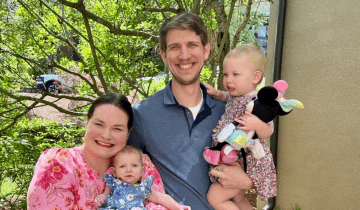
Our son was diagnosed with complex quadriplegic cerebral palsy at six months old. At the same time, we began to notice that he was struggling with vision. With persistence we found the right diagnosis and support.
In this special episode from the AACPDM annual meeting, Belinda Deramore Denver talks about vision in CP and her current work to better understand how children use their vision to help intervene early and with the right interventions.
Welcome to That Mom With CP-a space created to celebrate and support mothers with cerebral palsy through shared stories, adaptive parenting tips, and honest conversations about self-care and disability.
For as long as I can remember, I dreamed of being a mama and for equally as long, I just couldn’t comprehend the dream coming true, for me. Yet, I had NO frame of reference or role models for mamas with CP.
Discover how living with cerebral palsy has made me a more patient, adaptable, and intentional mom—and why disability can be a strength, not a setback.
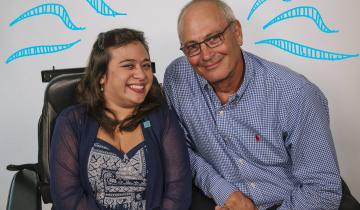
Living with CP taught Dr. Kathleen Friel much about educating others about her disability and now about her life threatening diagnosis of Metastatic Breast Cancer.
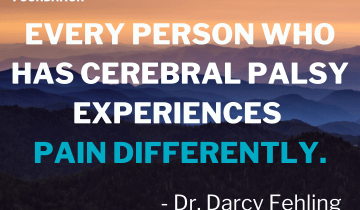
A lot of people with cerebral palsy will experience pain over the course of their life. Through better assessment we can provide better interventions, which will lead to a better quality of life.
The Cerebral Palsy Foundation has created a factsheet to help guide you in understanding and treating pain with CP. This fact sheet has been created for individuals with cerebral palsy to provide basic guidance surrounding common causes and potential treatment of pain.
The purpose of this study is to explore the breast cancer screening experiences of women with CP with the aim of identifying factors that could improve screening rates for women with disabilities.
Breast cancer is a major cause of mortality in women. Screening has been known to improve early detection for early treatment. Women with disabilities face many physical and attitudinal barriers to mammogram screenings. This webinar has been created to address the educational needs of technologists and to give women with cp and disabilities visual accurate information about the procedure.
Shelby Nurse discusses how pain has been part of the reality throughout her life. In this video Shelby talks about what strategies and pain management techniques have worked for her and how this have changed and different times.
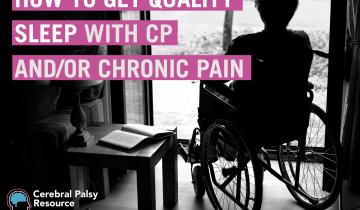
I suppose there has to be one silver lining that comes out of being sheltered in place for months on end (due to Covid-19): I’ve finally been catching up on sleep. The recommended nightly hours of sleep is between 7 and 9 hours. For me, getting a good night’s sleep has been the best way to regain a sense of control and ease during such unnerving times. Not only does sleep improve mood and
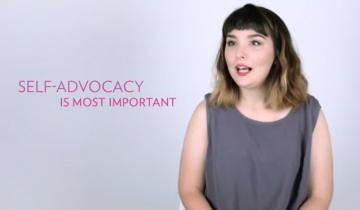
For women with Cerebral Palsy, self-advocacy is probably the most important part, but it's also probably the hardest part because most of those doctors have not encountered women with disabilities. You really have to tell them what you need and tell them what to expect.
When scheduling and preparing for an OB/GYN appointment, women with Cerebral Palsy have additional challenges to consider and address when both scheduling the appointment and once they go their appointment.
For women with Cerebral Palsy, finding a new OB/GYN can be difficult for a variety of reasons: accessibility (both to the building and in the exam rooms), staffing and supports for additional physical needs and more.