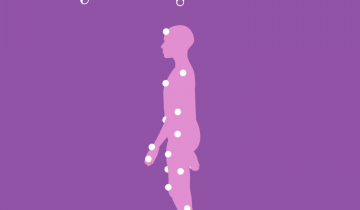
This research studied falls in ambulatory children and adults with CP specifically asking how often they’ve fallen, fall-related injuries experienced, circumstances around the fall, the level of fear or concern about future falls, and the extent to which they do or don’t avoid certain activities due to their concern about falling. This study sets a strong foundation for future fall research, quantifying the breadth and depth of the problem across a large spectrum of age and walking ability.

This compelling podcast and article tell the story of one doctor who strives to improve the lives of those living with intellectual and physical disabilities despite many hurdles.
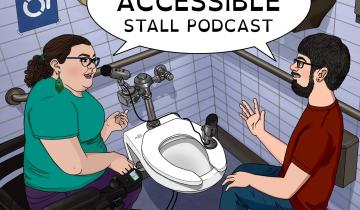
The Accessible Stall is a disability podcast hosted by Kyle Khachadurian and Emily Ladau that keeps it real about issues within the disability community. Because we each have different disabilities and mobility levels, we approach everything we talk about with two unique viewpoints, offering our listeners a fresh insight into how differences in disability can color your experiences and perspectives. And we never shy away from offering our honest opinion. Even if they go against the grain of the disability community at large, we always speak our minds.
This presentation from the 2023 AACPDM Community Forum presents a model for creating a smooth transition from pediatric care to adult care for teens and young adults with cerebral palsy.
This study highlights the importance of monitoring and managing chronic conditions in adults with cerebral palsy. It also provides important information that can help healthcare professionals better understand the health needs of this population.
Mobility technology can enhance the lives of young children with disabilities in ways parents often never consider. Learn about how it can help your child beyond getting from point A to point B!
This comprehensive review of the research evidence surrounding supportive stepping for individuals, GMFCS IV and V, provides helpful information for families to make practical decisions about for whom, when, and how long to use a supported stepping device (also known as gait trainers).
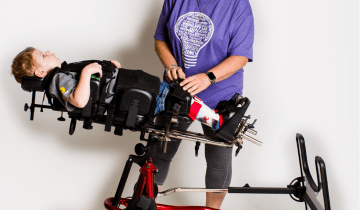
This comprehensive review of the research evidence surrounding supportive standing for individuals, GMFCS IV and V, provides helpful information for families to make practical decisions about for whom, when, and how long to use a standing device.
Jerron Herman, dancer, actor, trainer and more describes how he moves with spastic hemiplegia...and it might just surprise you!
Author summary on stakeholder perspectives of pediatric powered wheelchair standing devices.
Dr. Tom Novacheck, of Gillette Children's, describes the characteristics of the 4 types of unilateral, otherwise known as hemiplegic gait, and how the use of clinical instrumented gait analysis can help with treatment decision making.
Dr. Tom Novacheck, Gillette Children's, describes what to look for in each of the 4 different gait patterns seen for those with bilateral cerebral palsy and considerations for each type.
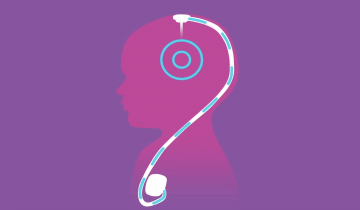
Dr. Debbie Song, Gillette Children's, gives an overview of common neurosurgical procedures to address global tone in individuals with cerebral palsy.
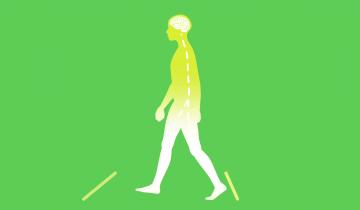
Understanding different gait patterns is important because it can determine what interventions will potentially be the most effective.
NCART Standing Device Funding Guide contains all the information needed to choose, measure, and write a letter of medical necessity for a standing device.
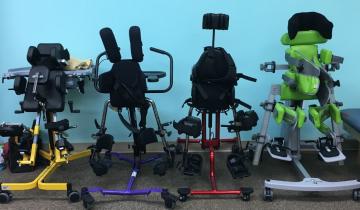
Supportive Standing Devices, also known as Standers, are frequently recommended equipment for individuals who are primarily wheelchair users. There are lots of different types of standers which can support a range of different physical and activity needs. Learn more about them here!
Standing devices and standing wheelchair devices are frequently prescribed and often denied equipment options for individuals with cerebral palsy. The attached paper provides evidence and guidance to help appeal to insurers for this equipment.
Complex Rehabilitation Technology serves to enhance the lives of individuals who utilize it with the goals of maximizing health, wellbeing, participation and independence.
RESNA (Rehab Engineering and Assistive Technology Society of North America) is a great place to find highly qualified rehab and assistive technology professionals in your area. They also have provided their research to help providers and the families they serve make decisions about powered mobility for young children.
Jen Lyman provides a parent perspective on powered wheelchair standing devices as it relates to Dr. Lisa Kenyon's research article.
CPF Executive Director Rachel Byrne and Jason Benetti talk about his hard work, misperceptions, resilience, and his experience with cerebral palsy.
CPF Executive Director Rachel Byrne and Xian Horn, author and disability advocate discuss breaking down stereotypes.
In this 2022 episode of "Let's Talk CP" host Jen Lyman talks with neurosurgeon, Dr. Debbie Song, and physiatrist, Dr. Marcie Ward about their role in the care of Cerebral Palsy at Gillette Children's.
CPF Executive Director Rachel Byrne and Dr. Paulo Selber discuss the ins and outs of gait analysis for cerebral palsy.