Making informed decisions about care and treatment for cerebral palsy (CP) can be overwhelming, especially with the vast amount of medical research available. Through this guide, we aim to help you better understand the types of research you may encounter and provides practical tips for evaluating studies relevant to CP.
Eye movement desensitization and reprocessing (EMDR) therapy is a mental health treatment technique. This method involves moving your eyes a specific way while you process traumatic memories. EMDR's goal is to help you heal from trauma or other distressing life experiences.
On the days that having CP is challenging, it is extra important to take care of yourself, all those feelings and your body. When we can mention how we feel, then we figure out or manage what we need to feel better.
In Episode 4 of Coffee Talk, Nathalie and Jen discuss research and clinical trials.
In this new series within Cerebral Palsy Health, Jen sits down with Nathalie Maitre, MD, PhD to talk about parenting, our shared experiences raising sons with CP and more!
This presentation from the 2023 AACPDM Community Forum presents and overview of the interactions between the types of Cerebral Palsy, Mental and Behavioral Health and various medications and strategies to treat challenging mental health disturbances.
Mobility technology can enhance the lives of young children with disabilities in ways parents often never consider. Learn about how it can help your child beyond getting from point A to point B!
This comprehensive review of the research evidence surrounding supportive stepping for individuals, GMFCS IV and V, provides helpful information for families to make practical decisions about for whom, when, and how long to use a supported stepping device (also known as gait trainers).
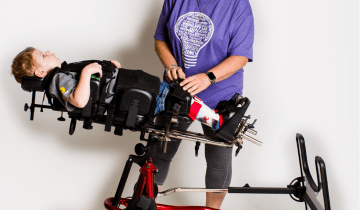
This comprehensive review of the research evidence surrounding supportive standing for individuals, GMFCS IV and V, provides helpful information for families to make practical decisions about for whom, when, and how long to use a standing device.
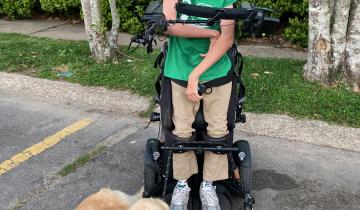
Author summary on stakeholder perspectives of pediatric powered wheelchair standing devices.
NCART Standing Device Funding Guide contains all the information needed to choose, measure, and write a letter of medical necessity for a standing device.
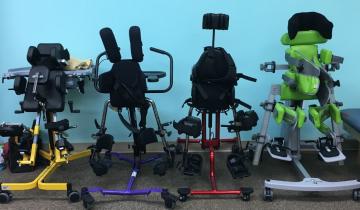
Supportive Standing Devices, also known as Standers, are frequently recommended equipment for individuals who are primarily wheelchair users. There are lots of different types of standers which can support a range of different physical and activity needs. Learn more about them here!
Standing devices and standing wheelchair devices are frequently prescribed and often denied equipment options for individuals with cerebral palsy. The attached paper provides evidence and guidance to help appeal to insurers for this equipment.
Complex Rehabilitation Technology serves to enhance the lives of individuals who utilize it with the goals of maximizing health, wellbeing, participation and independence.
RESNA (Rehab Engineering and Assistive Technology Society of North America) is a great place to find highly qualified rehab and assistive technology professionals in your area. They also have provided their research to help providers and the families they serve make decisions about powered mobility for young children.
Jen Lyman provides a parent perspective on powered wheelchair standing devices as it relates to Dr. Lisa Kenyon's research article.
CPF Executive Director Rachel Byrne and psychologist Gili Segall, PhD discuss mental health during these constantly changing times and how to create strategies to help everyone in the family thrive.
CPF Executive Director Rachel Byrne and Weinberg Cerebral Palsy Center social worker, Jan Moskowitz, discuss strategies for coping with anxiety and depression, especially during times of isolation.
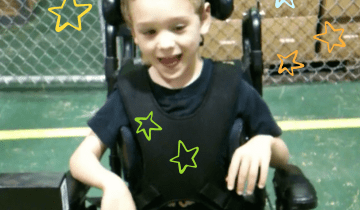
Powered mobility can offer users young and old a level of freedom and independence that may not be achieved through manual wheelchairs or other mobility devices.
CPF Executive Director Rachel Byrne and Chris Modlesky, PhD discuss exercise, fitness, research, research funding and his current research.
Powered mobility has the ability to do so much more than help an individual get from point a to point b. Check out this episode of Cerebral Palsy Health with researcher Lisa Kenyon, PT, DPT, PhD to learn more.
Early powered mobility has been shown to improve cognition in children with multiple, complex disabilities.
Adults with Cerebral Palsy have unique care needs related to physiological changes that occurred with growth and development with Cerebral Palsy, including mental health, yet experience many barriers to proper care.
CPF Executive Director Rachel Byrne and Jocelyn Cohen, Vice President of Communications and Engagement at Cerebral Palsy Alliance Research Foundation discuss collaboration in research.
Access2CRT is here to empower advocates with the information and resources needed to promote and protect access to Complex Rehab Technology (CRT) access for people with disabilities and Cerebral Palsy.