MEVU was initially developed for children with cerebral palsy. It is now being tested with a wider group of parents and caregivers. You can help by taking the MEVU Survey today!
Our son was diagnosed with complex quadriplegic cerebral palsy at six months old. At the same time, we began to notice that he was struggling with vision. With persistence we found the right diagnosis and support.
In this special episode from the AACPDM annual meeting, Belinda Deramore Denver talks about vision in CP and her current work to better understand how children use their vision to help intervene early and with the right interventions.
In 2025, there are thousands of reels, social media accounts and testaments to the badassery that is required to live with CP. And though the world still has a long way to go, the pride, wholeness and strength of this community never ceases to amaze me.
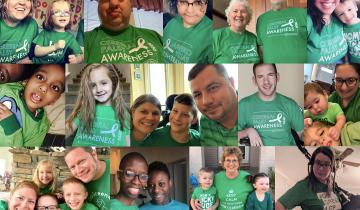
March is National Cerebral Palsy Month in the United States and is an opportunity to highlight the history of cerebral palsy advocacy - where we’ve been, where we are currently, and the opportunities that are ahead.
Cynthia Frisina discusses the purpose and importance of Cerebral Palsy Awareness Month and Day to bring people together to advocate for better healthcare, research advancements, funding and more those with CP and their families.
This recent study found that over half of children and young people with Cerebral Palsy have more than one movement disorder, which is more common than previously thought.
Neurologist and movement disorder specialist, Heather Riordan, MD, describes the Chorea in Cerebral Palsy and what to do if it is impacting your function.
Do you or your child have movements that are difficult to control? Is your mobility and function impacted by abnormal movements or do these movements cause pain? If so, you or your child may have Dyskinesia. If you want to learn more, including how it is treated, don't miss this educational Town Hall with experts Dr. Heather Riordan, from Kennedy Krieger Institute, and Dr. Michael Kruer, from Phoenix Children's.
CPF Executive Director Rachel Byrne and Dr. Heather Riordan, Director of the Phelps Center for Cerebral Palsy at the Kennedy Krieger Institute discuss dyskinesia.
People with disabilities represent more than 27% of the United States adult population, making them the single largest minority group in the country. This new NIH designation, new research program and update to NIH mission are actions to ensure inclusion of people with disabilities.
The Dyskinetic Cerebral Palsy Functional Impact Scale is a new tool useful measuring the functional impact of dyskinesia on children's movements and postures and the perceived impact of dyskinesia on daily activities. It can can help identify priorities for intervention.
This systematic review looks at all available evidence for pharmacological/neurosurgical interventions for managing dystonia in individuals with cerebral palsy to inform the AACPDM care pathway.
The 2023 Appropriations Act has passed and thanks to advocacy by the cerebral palsy community, it includes the strongest language and funding yet for cerebral palsy!
Hypotonic CP, also known as hypotonia, is a form of cerebral palsy that causes low muscle tone. In other words, the muscles are overly relaxed and your child may feel floppy.
Mixed types of CP refer to symptoms that don’t correspond to any single type of CP but are a mix of types. For example, a child with mixed CP may have some muscles that are too tight and others that are too relaxed.
Dyskinesia is an umbrella term encompassing a range of different movements. These are all movements that can be out of your control. Dyskinesia is very common in cerebral palsy.
Dr. Bhooma Aravamuthan presents Understanding Dystonia: Diagnosis and Treatment at the 2020 AACPDM Community Forum. Moderated by Council Chair, Jen Lyman.
The Dystonia Care Pathway was updated in 2024 based on best available evidence. The goal of the these Care Pathways is to help Health Care Professionals understand the research evidence on the topic so that they can make clinical decisions for the care of the individual.