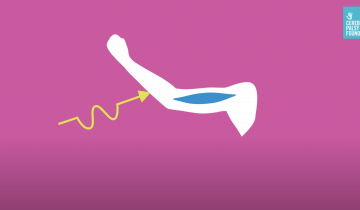
Preparing those with CP for orthopedic surgery is an important step to ensure the best outcomes. The following research review highlights important steps and considerations.
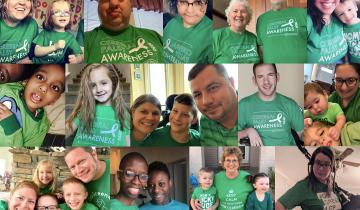
I began thinking about this in regards to CP Awareness Day a bit differently. If we think about even the name, Cerebral Palsy Awareness, there are so many things I imagine you would like others to be aware of, as caregivers and Cerebral Palsy warriors. What does awareness mean to each of us, personally?
In 2025, there are thousands of reels, social media accounts and testaments to the badassery that is required to live with CP. And though the world still has a long way to go, the pride, wholeness and strength of this community never ceases to amaze me.
Whether you are a caregiver or an individual with CP, the decision to pursue a treatment or therapy can be daunting. Use this guide to help you sort through the hype and determine what might help.
Technology for people with disabilities is advancing at an unprecedented pace, with artificial intelligence (AI), machine learning, and mainstream tech giants leading the way in accessibility innovation. Here’s a look at the most exciting developments, highlighting recent announcements from Apple, Microsoft, and the growing impact of AI-based solutions.
March is National Cerebral Palsy Month in the United States and is an opportunity to highlight the history of cerebral palsy advocacy - where we’ve been, where we are currently, and the opportunities that are ahead.
Cynthia Frisina discusses the purpose and importance of Cerebral Palsy Awareness Month and Day to bring people together to advocate for better healthcare, research advancements, funding and more those with CP and their families.
Creating opportunities that enable play in order to combat social isolation, foster inclusive communities, and improve the quality of life for people with disabilities.
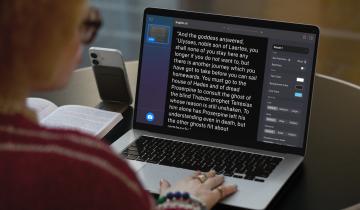
Cephable is a free software for individuals that adapts to the user, enabling technology control through voice, face, and motion for a more accessible digital experience.
The Research Works podcast is designed for health professionals in the area of child health, where we discuss emerging, modern, evidence based research.
Founded by Susan Banks and Courtney Craven, Can I Play that? (CIPT) has grown from a hobby site to a destination for gamers and developers alike that provides all forms of accessibility information on video games and the industry.
Intervention to improve function for children and young people with cerebral palsy needs to include client-chosen goals and whole-task practice of goals. Clinicians should consider child/family preferences, age, and ability when selecting specific interventions.
People with disabilities represent more than 27% of the United States adult population, making them the single largest minority group in the country. This new NIH designation, new research program and update to NIH mission are actions to ensure inclusion of people with disabilities.
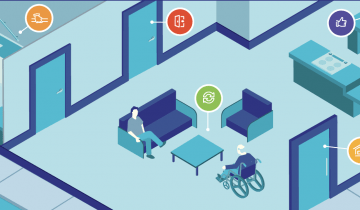
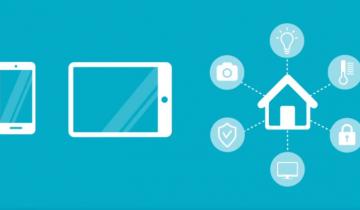
Assistive technology comes in all shapes and sizes to help adapt your environment to best meet your needs. From tools to help you turn on the lights to high tech games to help you participate with your peers, AT can equalize the playing field!
The 2023 Appropriations Act has passed and thanks to advocacy by the cerebral palsy community, it includes the strongest language and funding yet for cerebral palsy!
Are you wondering how spasticity impacts movement, mobility and function? What tools do physicians have in their tool box to treat spasticity and how do can you help to maximize the impact of these treatments? This virtual event covers it all featuring two of the leading experts in Spasticity and Spasticity Management.
On Thursday, March 24th, 2022, the Cerebral Palsy Foundation hosted the first ever Cerebral Palsy Congressional Briefing with a panel of physicians, patient and self advocates.