Living With Cerebral Palsy by Paul Pimm describes the varying effects of cerebral palsy, how different people manage to live with this condition, and where to get more information.
Theodore "Armpit" Johnson tries his best to keep out of trouble after being released from juvenile detention. But it's hard to do when the only person who believes in you is your ten year old neighbor with CP, and people from the past are trying to get you back into bad habits.
In I Funny: A Middle School Story by James Patterson, middle schooler Jamie Grimm faces bullying and self-doubt as he chases his dream to become the world's greatest comedian.
Noah, a cello prodigy from a long line of musicians, wants to stick to tradition. Daisy, a fiercely independent disabled violinist, is used to fighting for what she wants and likes to take risks. But the two surprise each other when they play. They fall perfectly in tune.
You are Brave is a book for every kid who has ever thought, "What if I'm not brave enough?" It's about the courage we find within ourselves, and the wonderful possibilities that open up when we have the confidence to try something new.
In "Reaching For Sun" by Tracie Vaughn Zimmer, Josie Wyatt knows what it means to be different. Even if Josie wants to forget that she was born with a disability, her mom can't seem to let it go.
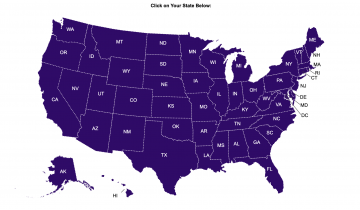
Medicaid Waivers, Katie Beckett or TEFRA are all forms of benefits that an "waive" medicaid financial restrictions for parents of children who have a developmental disability acquired prior to the age of three. Kidswaivers.org has provided a comprehensive, interactive website of all available medicaid waiver programs by State across the US.
NCART Standing Device Funding Guide contains all the information needed to choose, measure, and write a letter of medical necessity for a standing device.
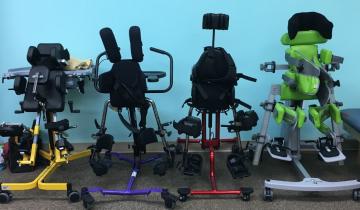
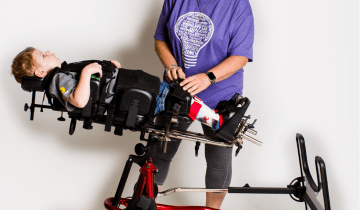
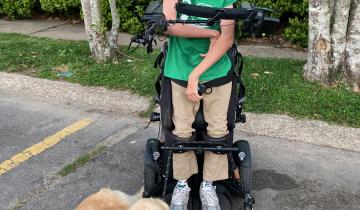
Supportive Standing Devices, also known as Standers, are frequently recommended equipment for individuals who are primarily wheelchair users. There are lots of different types of standers which can support a range of different physical and activity needs. Learn more about them here!
Standing devices and standing wheelchair devices are frequently prescribed and often denied equipment options for individuals with cerebral palsy. The attached paper provides evidence and guidance to help appeal to insurers for this equipment.
Complex Rehabilitation Technology serves to enhance the lives of individuals who utilize it with the goals of maximizing health, wellbeing, participation and independence.
RESNA (Rehab Engineering and Assistive Technology Society of North America) is a great place to find highly qualified rehab and assistive technology professionals in your area. They also have provided their research to help providers and the families they serve make decisions about powered mobility for young children.
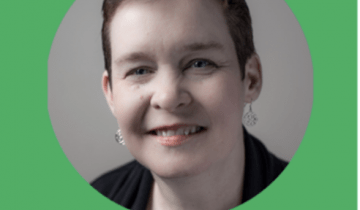
Living with CP taught Dr. Kathleen Friel much about educating others about her disability and now about her life threatening diagnosis of Metastatic Breast Cancer.
Plain Language Summaries are an excellent way to get a clear overview of clinical research. Our friends with Mac Keith Press and the AACPDM Community Council have worked together to choose articles that might be right for you.
Our community has come together to request answers to so many basic questions about this critical public health issue and the most common lifelong motor disability, that has not been a federal research priority.
The purpose of this study was to pilot an intervention of a sport-based youth development program modified for accessibility for children and adolescents with movement challenges, with the goal of community-based running participation using running frames.