Researchers studied the natural history of cerebral visual impairment (CVI) in children with cerebral palsy (CP) and identify which early visual signs or symptoms are associated with cognitive visual disorders (CVDs) at school age.
MEVU was initially developed for children with cerebral palsy. It is now being tested with a wider group of parents and caregivers. You can help by taking the MEVU Survey today!
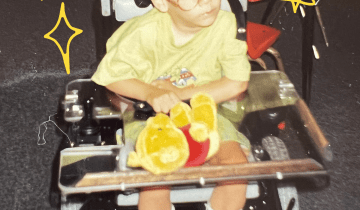
Our son was diagnosed with complex quadriplegic cerebral palsy at six months old. At the same time, we began to notice that he was struggling with vision. With persistence we found the right diagnosis and support.
In this special episode from the AACPDM annual meeting, Belinda Deramore Denver talks about vision in CP and her current work to better understand how children use their vision to help intervene early and with the right interventions.
Welcome to That Mom With CP-a space created to celebrate and support mothers with cerebral palsy through shared stories, adaptive parenting tips, and honest conversations about self-care and disability.
For as long as I can remember, I dreamed of being a mama and for equally as long, I just couldn’t comprehend the dream coming true, for me. Yet, I had NO frame of reference or role models for mamas with CP.
Discover how living with cerebral palsy has made me a more patient, adaptable, and intentional mom—and why disability can be a strength, not a setback.
Mobility technology can enhance the lives of young children with disabilities in ways parents often never consider. Learn about how it can help your child beyond getting from point A to point B!
This comprehensive review of the research evidence surrounding supportive stepping for individuals, GMFCS IV and V, provides helpful information for families to make practical decisions about for whom, when, and how long to use a supported stepping device (also known as gait trainers).
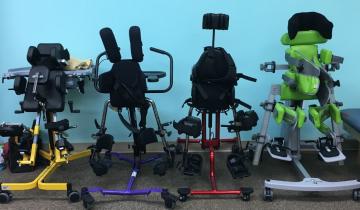
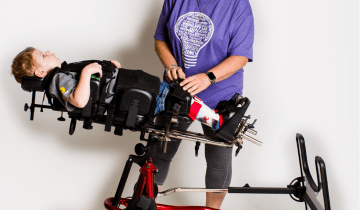
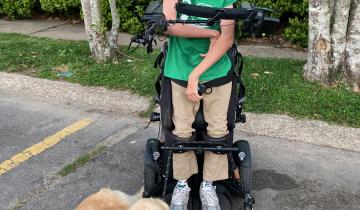
This comprehensive review of the research evidence surrounding supportive standing for individuals, GMFCS IV and V, provides helpful information for families to make practical decisions about for whom, when, and how long to use a standing device.
NCART Standing Device Funding Guide contains all the information needed to choose, measure, and write a letter of medical necessity for a standing device.
Supportive Standing Devices, also known as Standers, are frequently recommended equipment for individuals who are primarily wheelchair users. There are lots of different types of standers which can support a range of different physical and activity needs. Learn more about them here!
Standing devices and standing wheelchair devices are frequently prescribed and often denied equipment options for individuals with cerebral palsy. The attached paper provides evidence and guidance to help appeal to insurers for this equipment.
Complex Rehabilitation Technology serves to enhance the lives of individuals who utilize it with the goals of maximizing health, wellbeing, participation and independence.
RESNA (Rehab Engineering and Assistive Technology Society of North America) is a great place to find highly qualified rehab and assistive technology professionals in your area. They also have provided their research to help providers and the families they serve make decisions about powered mobility for young children.
Living with CP taught Dr. Kathleen Friel much about educating others about her disability and now about her life threatening diagnosis of Metastatic Breast Cancer.
Powered mobility can offer users young and old a level of freedom and independence that may not be achieved through manual wheelchairs or other mobility devices.
Powered mobility has the ability to do so much more than help an individual get from point a to point b. Check out this episode of Cerebral Palsy Health with researcher Lisa Kenyon, PT, DPT, PhD to learn more.
The purpose of this study is to explore the breast cancer screening experiences of women with CP with the aim of identifying factors that could improve screening rates for women with disabilities.
Breast cancer is a major cause of mortality in women. Screening has been known to improve early detection for early treatment. Women with disabilities face many physical and attitudinal barriers to mammogram screenings. This webinar has been created to address the educational needs of technologists and to give women with cp and disabilities visual accurate information about the procedure.