Up to 50% of adolescents with cerebral palsy have an intellectual disability, as well as a physical disability. Adolescents with intellectual disabilities still need sexual health education, they just need it in a way that's more individualized so that they can understand it and use it.
It is recommended that women start having mammography screenings starting at about the age of 40, and it becomes more difficult to obtain these services if you have a disability.
The findings of this article demonstrate the need for improved screening rates in women with CP, and highlight areas for improving their screening experience.
As 20% of women with CP surveyed experienced pregnancy, there is a need to increase awareness, education, support, and advocacy for achievement of optimal reproductive health.
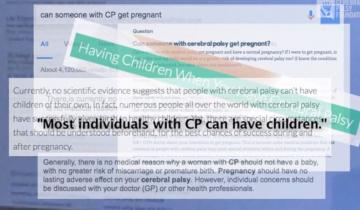
This fact sheet has been created for women with cerebral palsy to provide answers to some common questions about CP, pregnancy, and birth. Women with CP should follow general guidelines about getting healthy before getting pregnant, but women with CP may need to do other things as well to prepare for pregnancy.
If you’re a history nerd like me, then you probably wondered about the origin of cerebral palsy at least once in your life. As an ever-inquisitive kid, that was certainly at the forefront of my mind, especially when I was old enough to truly comprehend that I had CP.
For some the day-to-day problems faced by children and adults with cerebral palsy, and their carers, are not motor ones alone. It is important that you discuss other areas of your child's development if you have concerns.
This fact sheet has been created for women with cerebral palsy to provide answers to some common questions about CP, disability, and gynecological care.
When I was considering going on birth control a few years ago, I wanted to find out how, if at all, my cerebral palsy would cause certain side effects. However, to my dismay, there weren’t any resources available that addressed the complexities a woman with cerebral palsy might encounter when going on any form of birth control.
Individuals with Cerebral Palsy and other disabilities have diverse sexual identities as well. Learning from each other's experiences can lead to honest conversations and acceptance.
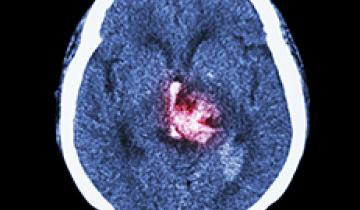
It is important to understand the brain injury for each individual person, because they can be really different. Where the injury is can give us important clues to what motor problems that individual will have. The time you have the biggest risk to having a stroke is as a baby, not as an adult so it is important to understand what may be happening in the infants brain.
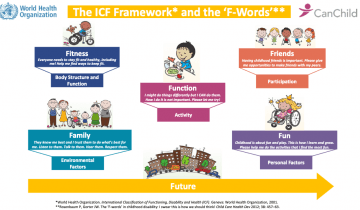
The World Health Organization has developed the ‘International Classification of Function’. This gives us a way to think about any health condition. Here we can see many ideas that we need to think about with CP. We can also see how these many ideas are connected to one another.
There are some medical conditions or events that can happen during pregnancy, delivery, or shortly thereafter that may increase a baby's risk of being born with cerebral palsy.
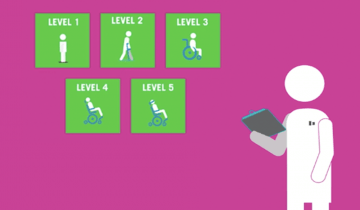
Cerebral Palsy affects body movement, muscle control, muscle coordination, muscle tone, reflex, posture and balance. Depending on the part of the brain that is injured depends on how someone’s muscle tone will be effected. For people with spastic CP they have increased muscle tone because of the part of the brain that's injured. If causes very tight muscles which in turn effects the movement of the joints and of the limbs. For others who have dyskinetic CP they lose the ability to have voluntary control over their muscles, and they can have jerky and uncontrolled movement patterns.
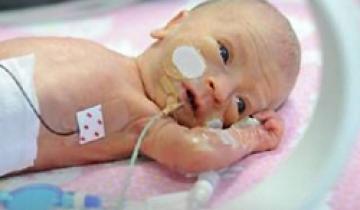
Infants with CP frequently have developmental and motor delays, in which they are slow to reach milestones such as learning to roll over, sit, crawl, or walk. The symptoms of CP differ in type and severity from one person to the next, and may even change in an individual over time.
Cerebral Palsy is the most common motor disability in children caused by abnormal development or damage to the motor area of the brain’s outer layer (called the cerebral cortex), the part of the brain that directs muscle movement. This damage can occur before, during, or shortly after birth.