Preparing those with CP for orthopedic surgery is an important step to ensure the best outcomes. The following research review highlights important steps and considerations.
In my 30-year career as a social worker and therapist, I have seen many children, adults, couples and families face what seems impossible. There are some common characteristics with those who face impossible with fear and those who face it with hope.
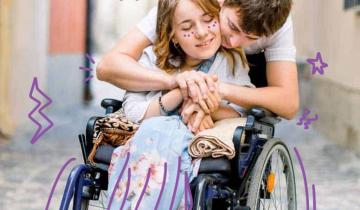
For all of us, the idea of adjusting is so important in understanding ourselves, those around us and the kindness that can happen when offered with care and understanding.
Whether you are a caregiver or an individual with CP, the decision to pursue a treatment or therapy can be daunting. Use this guide to help you sort through the hype and determine what might help.
Technology for people with disabilities is advancing at an unprecedented pace, with artificial intelligence (AI), machine learning, and mainstream tech giants leading the way in accessibility innovation. Here’s a look at the most exciting developments, highlighting recent announcements from Apple, Microsoft, and the growing impact of AI-based solutions.
Eye movement desensitization and reprocessing (EMDR) therapy is a mental health treatment technique. This method involves moving your eyes a specific way while you process traumatic memories. EMDR's goal is to help you heal from trauma or other distressing life experiences.
On the days that having CP is challenging, it is extra important to take care of yourself, all those feelings and your body. When we can mention how we feel, then we figure out or manage what we need to feel better.
In this new series within Cerebral Palsy Health, Jen sits down with Nathalie Maitre, MD, PhD to talk about parenting, our shared experiences raising sons with CP and more!
This presentation from the 2023 AACPDM Community Forum presents and overview of the interactions between the types of Cerebral Palsy, Mental and Behavioral Health and various medications and strategies to treat challenging mental health disturbances.
Creating opportunities that enable play in order to combat social isolation, foster inclusive communities, and improve the quality of life for people with disabilities.
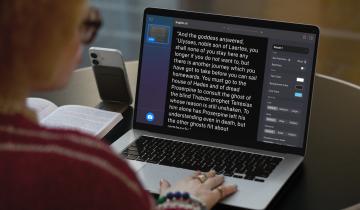
Cephable is a free software for individuals that adapts to the user, enabling technology control through voice, face, and motion for a more accessible digital experience.
The Research Works podcast is designed for health professionals in the area of child health, where we discuss emerging, modern, evidence based research.
Founded by Susan Banks and Courtney Craven, Can I Play that? (CIPT) has grown from a hobby site to a destination for gamers and developers alike that provides all forms of accessibility information on video games and the industry.
Intervention to improve function for children and young people with cerebral palsy needs to include client-chosen goals and whole-task practice of goals. Clinicians should consider child/family preferences, age, and ability when selecting specific interventions.
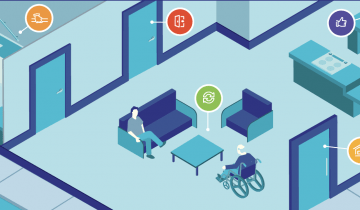
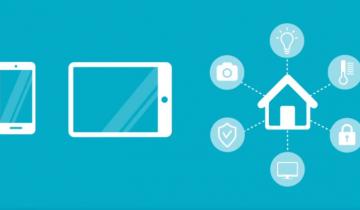
Assistive technology comes in all shapes and sizes to help adapt your environment to best meet your needs. From tools to help you turn on the lights to high tech games to help you participate with your peers, AT can equalize the playing field!
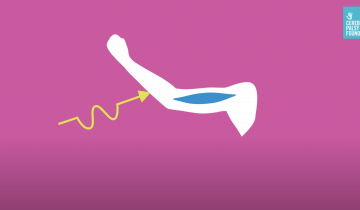
Are you wondering how spasticity impacts movement, mobility and function? What tools do physicians have in their tool box to treat spasticity and how do can you help to maximize the impact of these treatments? This virtual event covers it all featuring two of the leading experts in Spasticity and Spasticity Management.
CPF Executive Director Rachel Byrne and psychologist Gili Segall, PhD discuss mental health during these constantly changing times and how to create strategies to help everyone in the family thrive.