Preparing those with CP for orthopedic surgery is an important step to ensure the best outcomes. The following research review highlights important steps and considerations.
Making informed decisions about care and treatment for cerebral palsy (CP) can be overwhelming, especially with the vast amount of medical research available. Through this guide, we aim to help you better understand the types of research you may encounter and provides practical tips for evaluating studies relevant to CP.
Whether you are a caregiver or an individual with CP, the decision to pursue a treatment or therapy can be daunting. Use this guide to help you sort through the hype and determine what might help.
The Research Works podcast is designed for health professionals in the area of child health, where we discuss emerging, modern, evidence based research.
Intervention to improve function for children and young people with cerebral palsy needs to include client-chosen goals and whole-task practice of goals. Clinicians should consider child/family preferences, age, and ability when selecting specific interventions.
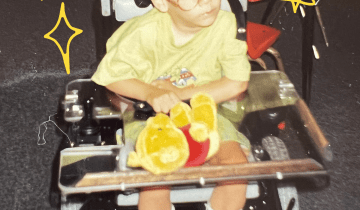
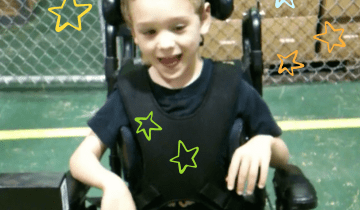
Mobility technology can enhance the lives of young children with disabilities in ways parents often never consider. Learn about how it can help your child beyond getting from point A to point B!
This comprehensive review of the research evidence surrounding supportive stepping for individuals, GMFCS IV and V, provides helpful information for families to make practical decisions about for whom, when, and how long to use a supported stepping device (also known as gait trainers).
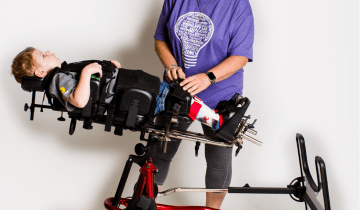
This comprehensive review of the research evidence surrounding supportive standing for individuals, GMFCS IV and V, provides helpful information for families to make practical decisions about for whom, when, and how long to use a standing device.
Are you wondering how spasticity impacts movement, mobility and function? What tools do physicians have in their tool box to treat spasticity and how do can you help to maximize the impact of these treatments? This virtual event covers it all featuring two of the leading experts in Spasticity and Spasticity Management.
NCART Standing Device Funding Guide contains all the information needed to choose, measure, and write a letter of medical necessity for a standing device.
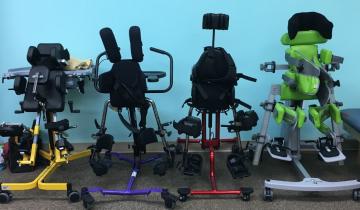
Supportive Standing Devices, also known as Standers, are frequently recommended equipment for individuals who are primarily wheelchair users. There are lots of different types of standers which can support a range of different physical and activity needs. Learn more about them here!
Standing devices and standing wheelchair devices are frequently prescribed and often denied equipment options for individuals with cerebral palsy. The attached paper provides evidence and guidance to help appeal to insurers for this equipment.
Complex Rehabilitation Technology serves to enhance the lives of individuals who utilize it with the goals of maximizing health, wellbeing, participation and independence.
RESNA (Rehab Engineering and Assistive Technology Society of North America) is a great place to find highly qualified rehab and assistive technology professionals in your area. They also have provided their research to help providers and the families they serve make decisions about powered mobility for young children.
Powered mobility can offer users young and old a level of freedom and independence that may not be achieved through manual wheelchairs or other mobility devices.
Powered mobility has the ability to do so much more than help an individual get from point a to point b. Check out this episode of Cerebral Palsy Health with researcher Lisa Kenyon, PT, DPT, PhD to learn more.