MEVU was initially developed for children with cerebral palsy. It is now being tested with a wider group of parents and caregivers. You can help by taking the MEVU Survey today!
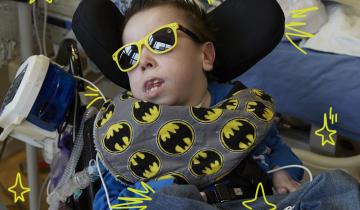
Our son was diagnosed with complex quadriplegic cerebral palsy at six months old. At the same time, we began to notice that he was struggling with vision. With persistence we found the right diagnosis and support.
CVI and Cerebral Palsy often co-occur. It’s important to understand how CVI manifests with CP.
In this special episode from the AACPDM annual meeting, Belinda Deramore Denver talks about vision in CP and her current work to better understand how children use their vision to help intervene early and with the right interventions.
In 2025, there are thousands of reels, social media accounts and testaments to the badassery that is required to live with CP. And though the world still has a long way to go, the pride, wholeness and strength of this community never ceases to amaze me.
March is National Cerebral Palsy Month in the United States and is an opportunity to highlight the history of cerebral palsy advocacy - where we’ve been, where we are currently, and the opportunities that are ahead.
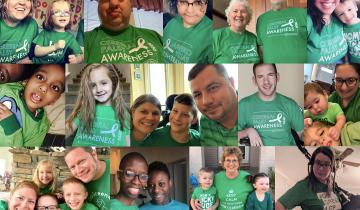
Cynthia Frisina discusses the purpose and importance of Cerebral Palsy Awareness Month and Day to bring people together to advocate for better healthcare, research advancements, funding and more those with CP and their families.
Dental Professors, Dr. Erica Caffrey, DDS and Dr. Sydnee Chavis, DMD, MS discuss oral health and dentistry across the lifespan.
People with disabilities represent more than 27% of the United States adult population, making them the single largest minority group in the country. This new NIH designation, new research program and update to NIH mission are actions to ensure inclusion of people with disabilities.
The bipartisan, Cerebral Palsy Research Act, is introduced by Congressman Steve Cohen of Tennessee. Read more here:
The 2023 Appropriations Act has passed and thanks to advocacy by the cerebral palsy community, it includes the strongest language and funding yet for cerebral palsy!
On Thursday, March 24th, 2022, the Cerebral Palsy Foundation hosted the first ever Cerebral Palsy Congressional Briefing with a panel of physicians, patient and self advocates.
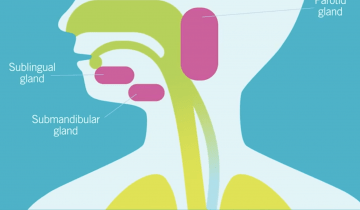
Drooling is an important problem for many individuals with CP and there are a number of interventions available to treat symptoms. If an individual with CP or their caregiver have concerns about drooling it is important to discuss with a health care provider. Care pathways such as the AACPDM pathway can be a starting point for shared decision making. In all cases, working together as a team is important in choosing the best alternative. Children and adults with CP may have trouble with drooling, or saliva management. In the medical world, drooling is referred to as sialorrhea. Saliva plays an important role in eating but also can interfere with airway clearance and breathing, as well as social participation. When drooling has this kind of impact it becomes important to consider intervention.
Many children with cerebral palsy (CP) have difficulty controlling saliva. Drooling varies in severity and can be distressing for the children, families and caregivers. Chronic drooling is referred to as Sialorrhea and occurs as a result of limitations in a person’s ability to control and swallow oral secretions.
Over the past 70 years the Cerebral Palsy Foundation (CPF) has grown into the largest non-government funder of cerebral palsy research in the United States. This was achieved through the work of the most renowned thinkers in science, research and medicine. But it was first imagined by dedicated, visionary parents who wanted to make a difference.