Making informed decisions about care and treatment for cerebral palsy (CP) can be overwhelming, especially with the vast amount of medical research available. Through this guide, we aim to help you better understand the types of research you may encounter and provides practical tips for evaluating studies relevant to CP.
Eye movement desensitization and reprocessing (EMDR) therapy is a mental health treatment technique. This method involves moving your eyes a specific way while you process traumatic memories. EMDR's goal is to help you heal from trauma or other distressing life experiences.
On the days that having CP is challenging, it is extra important to take care of yourself, all those feelings and your body. When we can mention how we feel, then we figure out or manage what we need to feel better.
In Episode 4 of Coffee Talk, Nathalie and Jen discuss research and clinical trials.
In this new series within Cerebral Palsy Health, Jen sits down with Nathalie Maitre, MD, PhD to talk about parenting, our shared experiences raising sons with CP and more!
This presentation from the 2023 AACPDM Community Forum presents and overview of the interactions between the types of Cerebral Palsy, Mental and Behavioral Health and various medications and strategies to treat challenging mental health disturbances.
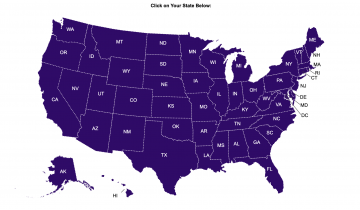
Medicaid Waivers, Katie Beckett or TEFRA are all forms of benefits that an "waive" medicaid financial restrictions for parents of children who have a developmental disability acquired prior to the age of three. Kidswaivers.org has provided a comprehensive, interactive website of all available medicaid waiver programs by State across the US.
CPF Executive Director Rachel Byrne and psychologist Gili Segall, PhD discuss mental health during these constantly changing times and how to create strategies to help everyone in the family thrive.
CPF Executive Director Rachel Byrne and Weinberg Cerebral Palsy Center social worker, Jan Moskowitz, discuss strategies for coping with anxiety and depression, especially during times of isolation.
CPF Executive Director Rachel Byrne and Chris Modlesky, PhD discuss exercise, fitness, research, research funding and his current research.
Adults with Cerebral Palsy have unique care needs related to physiological changes that occurred with growth and development with Cerebral Palsy, including mental health, yet experience many barriers to proper care.
Many people do not know the difference between SSI and SSDI. It can be very confusing for a family or individual to understand what is available, and whether they will qualify. Very often, the recipients and their families do not even know which benefits they are receiving. But it is important to understand some basic information about government benefits. This post will focus on the two most common government benefits and give you a brief overview of how they work.
Setting up a Third Party-Special Needs trust as part of estate planning is essential if the individual with a disability is or may be eligible for means-tested government benefits. A properly set up Third Party Trust ensures that the funds left to the individual, whether through gift or inheritance, are not considered countable assets when applying for means tested benefits
In 2014 the Achieving a Better Life Experience Act was passed. The ABLE account is a tax-advantaged savings account for individuals with disabilities. The individual with the disability is the account owner and anyone can contribute to the account – the account beneficiary, family, friends, even a Special Needs Trust.
A special needs trust is a written legal agreement that enables an individual with a disability to qualify or remain qualified for means tested government benefits, such as medicaid, SSI or even medicaid waivers.
CPF Executive Director Rachel Byrne and Jocelyn Cohen, Vice President of Communications and Engagement at Cerebral Palsy Alliance Research Foundation discuss collaboration in research.