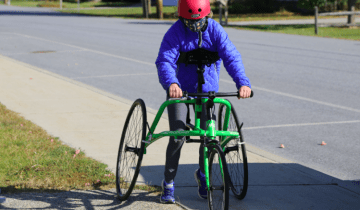
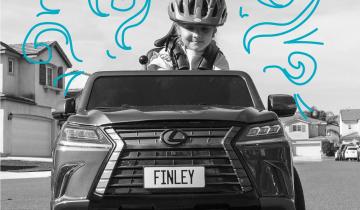
The RAD RaceRunner is a three-wheeled running bike with chest support. It is designed for children and adults with balance or mobility challenges to achieve their exercising goals -be it recreation, competition, or rehabilitation.
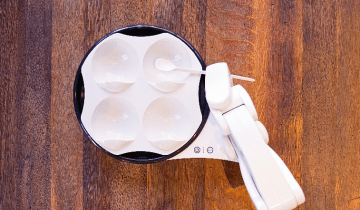
Obi is a first of its kind, revolutionary dining device for individuals who lack upper extremity function. With the momentary touch of a switch, Obi allows users to select between four compartments of food and to command when the food is captured and delivered to the mouth. Obi increases independence, social interaction, and effective food capturing like never before.
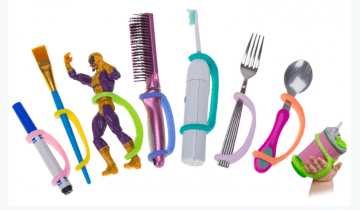
The EazyHold® universal cuff is the answer to gripissues that parents, occupational therapists, schools, hospitals, and care facilities have been seeking. The patented design, available in multiple sizes, gives children and adults the ability to hold onto and use tons of items with ease.
Purpose of review: Cerebral palsy is the most common physical disability of childhood, but the rate is falling, and severity is lessening. We conducted a systematic overview of best available evidence (2012-2019), appraising evidence using GRADE and the Evidence Alert Traffic Light System and then aggregated the new findings with our previous 2013 findings. This article summarizes the best available evidence interventions for preventing and managing cerebral palsy in 2019.
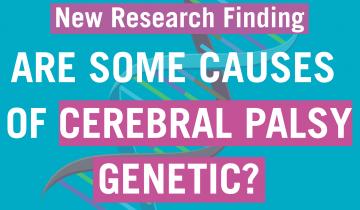
An international study recently published in the journal Nature Genetics has provided the first firm evidence that for a substantial number of people, their cerebral palsy (CP) may be caused by a genetic mutation, or mis-spelling in the body’s DNA blueprint.
"In addition to commonly associated environmental factors, genomic factors may cause cerebral palsy. We performed whole-exome sequencing of 250 parent–offspring trios, and observed enrichment of damaging de novo mutations in cerebral palsy cases."
Wondering what to expect if your child has an appointment with a pediatric orthopedic surgeon? Still confused about the different types and levels of cerebral palsy? Dr. Hank Chambers, who is also the father of an adult son with CP, talks about different considerations for different ages and stages of a child with cerebral palsy.
Preparing yourself and your child well for medical appointments means a better experience for everyone. Our “Let’s Talk CP” podcast series continues Cerebral Palsy Foundation host, Cynthia Frisina talking with Physiatrist Dr. Lisa Thornton about cerebral palsy, spasticity and what to expect at many kinds of medical appointments. Questions include what to expect when procedures like botulinum toxin injections are recommended, how to talk with a clinician when “little ears” are listening, and much more. This episode is made possible with the support of Ipsen Biopharmaceuticals.
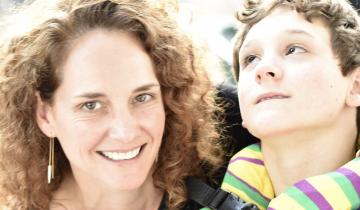
Our “Let’s Talk CP” podcast series kicks off with a great conversation about what questions to ask your child’s clinician when your child has cerebral palsy. How should you prepare for a medical appointment? What questions should you ask? Should you get a second opinion? Join Cerebral Palsy Foundation host, Cynthia Frisina as she shares candid talk, lessons learned and great advice with fellow moms, Wendy Sullivan and Jennifer Lyman. This episode is made possible with the support of Ipsen Biopharmaceuticals.
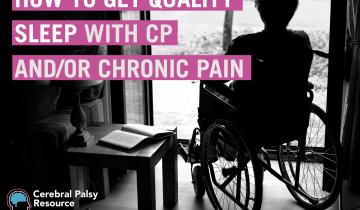
I suppose there has to be one silver lining that comes out of being sheltered in place for months on end (due to Covid-19): I’ve finally been catching up on sleep. The recommended nightly hours of sleep is between 7 and 9 hours. For me, getting a good night’s sleep has been the best way to regain a sense of control and ease during such unnerving times. Not only does sleep improve mood and
As an undergraduate student in a major metropolitan city like NYC, the thought of finding a place to live after graduation was very daunting. I didn’t have many options for accessible dorms on campus, so I could only wonder how much more difficult it’d be to find a “real-life adult” apartment that I could afford as a 20-something-year-old. My apartment search began one year earlier than
Welcome! The Cerebral Palsy Foundation is connecting the Cerebral Palsy community one podcast at a time with “Let’s Talk CP” - the new podcast series bringing you education, conversation, support and much more on a variety of topics. Join Jason Benetti, White Sox and ESPN sports announcer, and friends, as we get real with families, clinicians and researchers asking the questions you want to know about your CP journey. We’re all in this together.
The historic Americans with Disabilities Act (ADA) was signed into law on July 26, 1990, by President George H.W. Bush — marking this month its 30th anniversary. The ADA was the country’s first-ever comprehensive civil rights law for people with disabilities, offering protection against discrimination and imposing accessibility requirements in workplaces and the public. The passage of this law was
As cities and states across the countries are lifting the COVID-19 lockdown orders, people are returning to work at their offices. However, since the virus is still very much going around, employers must be vigilant about keeping their workplaces as safe as possible. Although we might be seeing a sense of “normalcy,” there’s still a long way to go before reaching the pre-pandemic normalcy—if we
Spasticity is usually caused by central nervous system injuries, such as brain injuries or spinal cord injuries. Spasticity is a little different from stiffness.
This podcast is a place for conversations with experts about issues related to cerebral palsy that affect health, fitness, function and participation. We will cover a range of topics including: treatments and therapies, nutrition, neuroplasticity, genetics, exercise and fitness, adaptive sports, accessibility, and new trends.