In LITTLE BEAR SEES you will learn: Exactly what CVI is What common characteristics to look for to determine if your child has CVI How the eyes and brain work together to facilitate vision Strategies and ideas for helping your child learn to see from the leading experts in cortical visual impairment
This research studied falls in ambulatory children and adults with CP specifically asking how often they’ve fallen, fall-related injuries experienced, circumstances around the fall, the level of fear or concern about future falls, and the extent to which they do or don’t avoid certain activities due to their concern about falling. This study sets a strong foundation for future fall research, quantifying the breadth and depth of the problem across a large spectrum of age and walking ability.
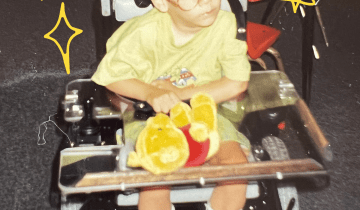
Chris achieved and accomplished things that nobody thought were attainable. He persevered through cerebral palsy and learned that God had a purpose for him.
Written for fifth and sixth graders, this is the third in a series about Melody, now a teenager with cerebral palsy who utilizes a communication device to interact and participate. She is on her way to London!
Misty Campbell is parent of child with complex disabilities who wrote this book as a guide for other families to advocate for their own children with significant disabilities.
Mobility technology can enhance the lives of young children with disabilities in ways parents often never consider. Learn about how it can help your child beyond getting from point A to point B!
This comprehensive review of the research evidence surrounding supportive stepping for individuals, GMFCS IV and V, provides helpful information for families to make practical decisions about for whom, when, and how long to use a supported stepping device (also known as gait trainers).
This comprehensive review of the research evidence surrounding supportive standing for individuals, GMFCS IV and V, provides helpful information for families to make practical decisions about for whom, when, and how long to use a standing device.
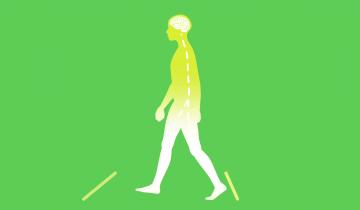
Dr. Tom Novacheck, of Gillette Children's, describes the characteristics of the 4 types of unilateral, otherwise known as hemiplegic gait, and how the use of clinical instrumented gait analysis can help with treatment decision making.
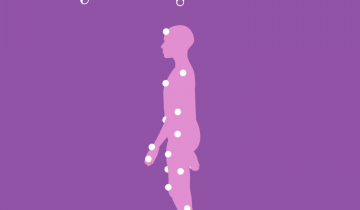
Dr. Tom Novacheck, Gillette Children's, describes what to look for in each of the 4 different gait patterns seen for those with bilateral cerebral palsy and considerations for each type.