Researchers studied the natural history of cerebral visual impairment (CVI) in children with cerebral palsy (CP) and identify which early visual signs or symptoms are associated with cognitive visual disorders (CVDs) at school age.
In my 30-year career as a social worker and therapist, I have seen many children, adults, couples and families face what seems impossible. There are some common characteristics with those who face impossible with fear and those who face it with hope.
For all of us, the idea of adjusting is so important in understanding ourselves, those around us and the kindness that can happen when offered with care and understanding.
MEVU was initially developed for children with cerebral palsy. It is now being tested with a wider group of parents and caregivers. You can help by taking the MEVU Survey today!
Our son was diagnosed with complex quadriplegic cerebral palsy at six months old. At the same time, we began to notice that he was struggling with vision. With persistence we found the right diagnosis and support.
In LITTLE BEAR SEES you will learn: Exactly what CVI is What common characteristics to look for to determine if your child has CVI How the eyes and brain work together to facilitate vision Strategies and ideas for helping your child learn to see from the leading experts in cortical visual impairment
In this special episode from the AACPDM annual meeting, Belinda Deramore Denver talks about vision in CP and her current work to better understand how children use their vision to help intervene early and with the right interventions.
Eye movement desensitization and reprocessing (EMDR) therapy is a mental health treatment technique. This method involves moving your eyes a specific way while you process traumatic memories. EMDR's goal is to help you heal from trauma or other distressing life experiences.
On the days that having CP is challenging, it is extra important to take care of yourself, all those feelings and your body. When we can mention how we feel, then we figure out or manage what we need to feel better.
In this new series within Cerebral Palsy Health, Jen sits down with Nathalie Maitre, MD, PhD to talk about parenting, our shared experiences raising sons with CP and more!
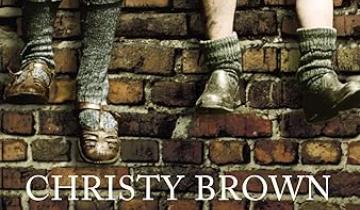
Chris achieved and accomplished things that nobody thought were attainable. He persevered through cerebral palsy and learned that God had a purpose for him.
This presentation from the 2023 AACPDM Community Forum presents and overview of the interactions between the types of Cerebral Palsy, Mental and Behavioral Health and various medications and strategies to treat challenging mental health disturbances.
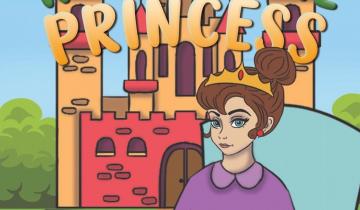
Written for fifth and sixth graders, this is the third in a series about Melody, now a teenager with cerebral palsy who utilizes a communication device to interact and participate. She is on her way to London!
Misty Campbell is parent of child with complex disabilities who wrote this book as a guide for other families to advocate for their own children with significant disabilities.