In LITTLE BEAR SEES you will learn: Exactly what CVI is What common characteristics to look for to determine if your child has CVI How the eyes and brain work together to facilitate vision Strategies and ideas for helping your child learn to see from the leading experts in cortical visual impairment
CP describes a spectrum of conditions that affects individuals in many different ways. Your care team may use the term GMFCS which stands for Gross Motor Function Classification Scale and is used to describe what mobility aids your child may need to complete certain tasks.
This research studied falls in ambulatory children and adults with CP specifically asking how often they’ve fallen, fall-related injuries experienced, circumstances around the fall, the level of fear or concern about future falls, and the extent to which they do or don’t avoid certain activities due to their concern about falling. This study sets a strong foundation for future fall research, quantifying the breadth and depth of the problem across a large spectrum of age and walking ability.
Chris achieved and accomplished things that nobody thought were attainable. He persevered through cerebral palsy and learned that God had a purpose for him.
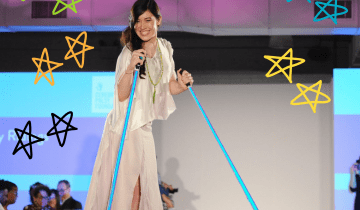
Written for fifth and sixth graders, this is the third in a series about Melody, now a teenager with cerebral palsy who utilizes a communication device to interact and participate. She is on her way to London!
Misty Campbell is parent of child with complex disabilities who wrote this book as a guide for other families to advocate for their own children with significant disabilities.
Parálisis Cerebral Respuestas (Cerebral Palsy Answers) is a podcast in Spanish, that seeks to answer all your questions about Cerebral Palsy! Join me every week for in-depth interviews with top specialists in Cerebral Palsy and individuals living with Cerebral Palsy to get the answers!
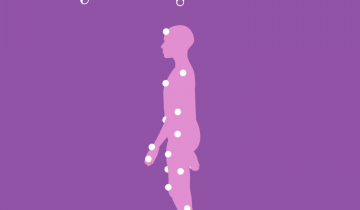
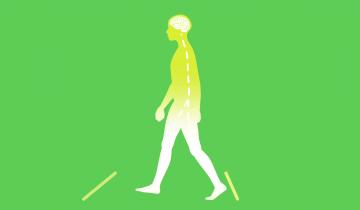
Dr. Tom Novacheck, of Gillette Children's, describes the characteristics of the 4 types of unilateral, otherwise known as hemiplegic gait, and how the use of clinical instrumented gait analysis can help with treatment decision making.
Dr. Tom Novacheck, Gillette Children's, describes what to look for in each of the 4 different gait patterns seen for those with bilateral cerebral palsy and considerations for each type.
In cerebral palsy (CP) muscles are often shortened so much that they restrict joint range of motion and the muscles themselves are weak. Thus, ‘shortness’ and ‘weakness’ are two important needs that clinicians must address.
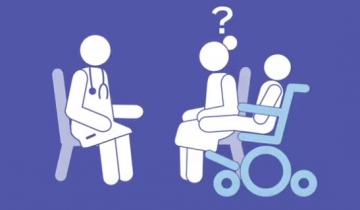
The American Academy of Pediatrics has updated its recommendations for Primary Care Providers to provide a "Medical Home" for children and youth with cerebral palsy. This comprehensive update gives primary care pediatricians the guidance they need to address the many needs that children and youth with CP experience and coordinate care across disciplines. The Cerebral Palsy Foundation has created a checklist to help guide you in raising your child with CP to living the healthiest life possible and ensure that you and your pediatrician are addressing all of your concerns.