Our research shows that higher Bone Mineral Density (BMD) was associated with a greater risk of fracture, which is opposite of what we would expect. When we picked apart the BMD ratio we found that bone size had the strongest association with fracture risk, such that smaller bones had a greater risk.
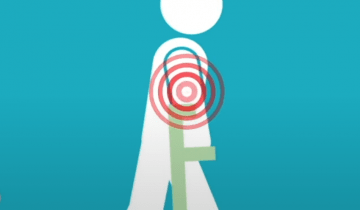
We studied how common pain was thought to be due to muscle spasticity in the legs or arms is in children/adolescents with CP.
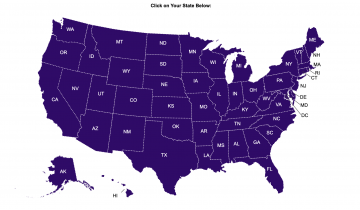
Medicaid Waivers, Katie Beckett or TEFRA are all forms of benefits that an "waive" medicaid financial restrictions for parents of children who have a developmental disability acquired prior to the age of three. Kidswaivers.org has provided a comprehensive, interactive website of all available medicaid waiver programs by State across the US.
CPF Executive Director Rachel Byrne and Mary Gannotti, PhD, PT discuss pain across the lifespan in cerebral palsy.
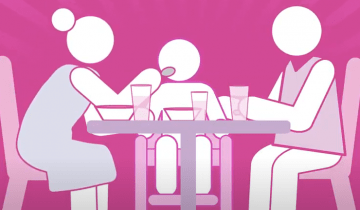
Good nutrition is critical for your child's healthy brain development. It's not uncommon for families to struggle getting enough food to eat. If you feel like you haven't had enough food to feed your whole family in the last month, please talk to someone. This is a common problem.
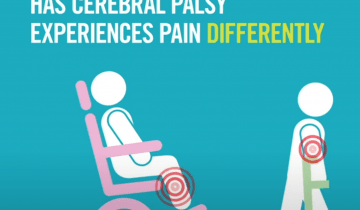
Pain in people with cerebral palsy is very common, and probably not evaluated frequently enough.
A lot of people with cerebral palsy will experience pain over the course of their life. Through better assessment we can provide better interventions, which will lead to a better quality of life.
The Cerebral Palsy Foundation has created a factsheet to help guide you in understanding and treating pain with CP. This fact sheet has been created for individuals with cerebral palsy to provide basic guidance surrounding common causes and potential treatment of pain.
Many people do not know the difference between SSI and SSDI. It can be very confusing for a family or individual to understand what is available, and whether they will qualify. Very often, the recipients and their families do not even know which benefits they are receiving. But it is important to understand some basic information about government benefits. This post will focus on the two most common government benefits and give you a brief overview of how they work.
Setting up a Third Party-Special Needs trust as part of estate planning is essential if the individual with a disability is or may be eligible for means-tested government benefits. A properly set up Third Party Trust ensures that the funds left to the individual, whether through gift or inheritance, are not considered countable assets when applying for means tested benefits
In 2014 the Achieving a Better Life Experience Act was passed. The ABLE account is a tax-advantaged savings account for individuals with disabilities. The individual with the disability is the account owner and anyone can contribute to the account – the account beneficiary, family, friends, even a Special Needs Trust.
A special needs trust is a written legal agreement that enables an individual with a disability to qualify or remain qualified for means tested government benefits, such as medicaid, SSI or even medicaid waivers.
Shelby Nurse discusses how pain has been part of the reality throughout her life. In this video Shelby talks about what strategies and pain management techniques have worked for her and how this have changed and different times.
I suppose there has to be one silver lining that comes out of being sheltered in place for months on end (due to Covid-19): I’ve finally been catching up on sleep. The recommended nightly hours of sleep is between 7 and 9 hours . For me, getting a good night’s sleep has been the best way to regain a sense of control and ease during such unnerving times. Not only does sleep improve mood and
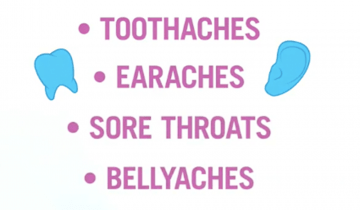
There are so many different causes for potential pain that it can be hard to find the cause. If you have CP or are a parent of someone with CP it is really important to empower yourself with information on pain including what causes it and options for treatment. You need to work out what is causing the pain not just mask it with pain medication.
Oropharyngeal dysphagia, or OPD, is an impairment of the oral or pharyngeal phases of the swallow. This can impair muscle movements and coordination of the mouth, such as the lips, tongue, jaw, cheeks, palate, and also muscles of the pharynx and the entry to the airway.
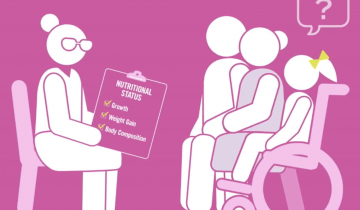
Weight, height and body composition are important indicators for development. The tools used to measure these can be different for children with cerebral palsy.
Children with cerebral palsy (CP) often grow poorly and assessment of growth in this population is further complicated by two main difficulties. Firstly, children may have joint contractures, muscular weakness, scoliosis, and/or involuntary movements that make standing or lying straight difficult, if not impossible.
When we have a physical disability, our bones can get a bit weak or osteoporotic. Something that can be improved is promoting bone health for people with cerebral palsy.
One of the things that we typically forget when we look at kids who have conditions like CP, is that they're first and foremost, children.