
Making informed decisions about care and treatment for cerebral palsy (CP) can be overwhelming, especially with the vast amount of medical research available. Through this guide, we aim to help you better understand the types of research you may encounter and provides practical tips for evaluating studies relevant to CP.
Eye movement desensitization and reprocessing (EMDR) therapy is a mental health treatment technique. This method involves moving your eyes a specific way while you process traumatic memories. EMDR's goal is to help you heal from trauma or other distressing life experiences.
On the days that having CP is challenging, it is extra important to take care of yourself, all those feelings and your body. When we can mention how we feel, then we figure out or manage what we need to feel better.
In Episode 4 of Coffee Talk, Nathalie and Jen discuss research and clinical trials.
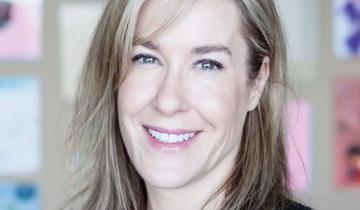
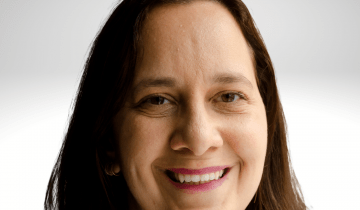
In this new series within Cerebral Palsy Health, Jen sits down with Nathalie Maitre, MD, PhD to talk about parenting, our shared experiences raising sons with CP and more!
This presentation from the 2023 AACPDM Community Forum presents and overview of the interactions between the types of Cerebral Palsy, Mental and Behavioral Health and various medications and strategies to treat challenging mental health disturbances.
We studied how common pain was thought to be due to muscle spasticity in the legs or arms is in children/adolescents with CP.
CPF Executive Director Rachel Byrne and psychologist Gili Segall, PhD discuss mental health during these constantly changing times and how to create strategies to help everyone in the family thrive.
CPF Executive Director Rachel Byrne and Weinberg Cerebral Palsy Center social worker, Jan Moskowitz, discuss strategies for coping with anxiety and depression, especially during times of isolation.
CPF Executive Director Rachel Byrne and Chris Modlesky, PhD discuss exercise, fitness, research, research funding and his current research.
CPF Executive Director Rachel Byrne and Mary Gannotti, PhD, PT discuss pain across the lifespan in cerebral palsy.
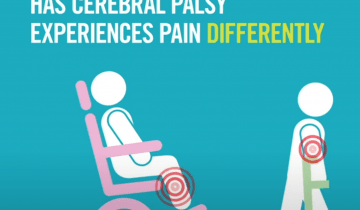
Pain in people with cerebral palsy is very common, and probably not evaluated frequently enough.
A lot of people with cerebral palsy will experience pain over the course of their life. Through better assessment we can provide better interventions, which will lead to a better quality of life.
The Cerebral Palsy Foundation has created a factsheet to help guide you in understanding and treating pain with CP. This fact sheet has been created for individuals with cerebral palsy to provide basic guidance surrounding common causes and potential treatment of pain.
Adults with Cerebral Palsy have unique care needs related to physiological changes that occurred with growth and development with Cerebral Palsy, including mental health, yet experience many barriers to proper care.
CPF Executive Director Rachel Byrne and Jocelyn Cohen, Vice President of Communications and Engagement at Cerebral Palsy Alliance Research Foundation discuss collaboration in research.
Shelby Nurse discusses how pain has been part of the reality throughout her life. In this video Shelby talks about what strategies and pain management techniques have worked for her and how this have changed and different times.
I suppose there has to be one silver lining that comes out of being sheltered in place for months on end (due to Covid-19): I’ve finally been catching up on sleep. The recommended nightly hours of sleep is between 7 and 9 hours . For me, getting a good night’s sleep has been the best way to regain a sense of control and ease during such unnerving times. Not only does sleep improve mood and
There are so many different causes for potential pain that it can be hard to find the cause. If you have CP or are a parent of someone with CP it is really important to empower yourself with information on pain including what causes it and options for treatment. You need to work out what is causing the pain not just mask it with pain medication.
One of the things that we typically forget when we look at kids who have conditions like CP, is that they're first and foremost, children.