I began thinking about this in regards to CP Awareness Day a bit differently. If we think about even the name, Cerebral Palsy Awareness, there are so many things I imagine you would like others to be aware of, as caregivers and Cerebral Palsy warriors. What does awareness mean to each of us, personally?
In my 30-year career as a social worker and therapist, I have seen many children, adults, couples and families face what seems impossible. There are some common characteristics with those who face impossible with fear and those who face it with hope.
For all of us, the idea of adjusting is so important in understanding ourselves, those around us and the kindness that can happen when offered with care and understanding.
In 2025, there are thousands of reels, social media accounts and testaments to the badassery that is required to live with CP. And though the world still has a long way to go, the pride, wholeness and strength of this community never ceases to amaze me.
Eye movement desensitization and reprocessing (EMDR) therapy is a mental health treatment technique. This method involves moving your eyes a specific way while you process traumatic memories. EMDR's goal is to help you heal from trauma or other distressing life experiences.
On the days that having CP is challenging, it is extra important to take care of yourself, all those feelings and your body. When we can mention how we feel, then we figure out or manage what we need to feel better.
For as long as I can remember, I dreamed of being a mama and for equally as long, I just couldn’t comprehend the dream coming true, for me. Yet, I had NO frame of reference or role models for mamas with CP.
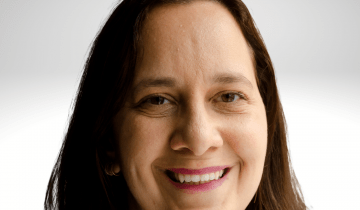
CPF Executive Director Rachel Byrne and Minnelly Vasquez, Licensed Clinical Social Worker with the Weinberg Cerebral Palsy Center at Columbia University Irving Medical Center, discuss mental health care for individuals with cerebral palsy and caregivers.
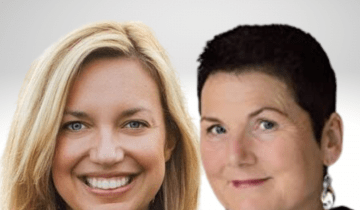
CPF Executive Director Rachel Byrne and psychologist Gili Segall, PhD discuss mental health during these constantly changing times and how to create strategies to help everyone in the family thrive.
CPF Executive Director Rachel Byrne and Christina Smallwood talk about parenting, raising a child with cerebral palsy and helping her learn to advocate for herself.
CPF Executive Director Rachel Byrne and Weinberg Cerebral Palsy Center social worker, Jan Moskowitz, discuss strategies for coping with anxiety and depression, especially during times of isolation.
CPF Executive Director Rachel Byrne and Lily Collison with Kara Buckley and individuals from the book Pure Grit, talk about what it takes to be successful with a disability.
Receiving early diagnoses or high‐risk for CP classification is a parent priority. Alignment between parents and providers exists for International Classification of Function domains of body functions/structures and activity, but less for those of environment, personal, and participation.