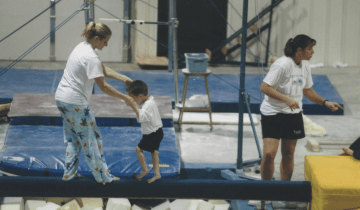
This research studied falls in ambulatory children and adults with CP specifically asking how often they’ve fallen, fall-related injuries experienced, circumstances around the fall, the level of fear or concern about future falls, and the extent to which they do or don’t avoid certain activities due to their concern about falling. This study sets a strong foundation for future fall research, quantifying the breadth and depth of the problem across a large spectrum of age and walking ability.

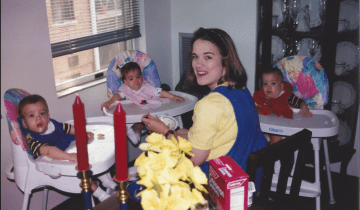
The hardest part of raising two children with Cerebral Palsy is the fact that we live in a world that refuses to adapt to anything beyond ordinary. And I have always -- always -- known that Benjamin and Mason were far beyond ordinary.
A parent's perspective as she recalls the moment she realized that a wheelchair meant freedom for her son and not a barrier to his progress.
My boys were exactly the same amazing, lovable, adorable, brilliant little boys after the diagnosis, that they had been before it. The exact same.
For women with Cerebral Palsy, self-advocacy is probably the most important part, but it's also probably the hardest part because most of those doctors have not encountered women with disabilities. You really have to tell them what you need and tell them what to expect.
When scheduling and preparing for an OB/GYN appointment, women with Cerebral Palsy have additional challenges to consider and address when both scheduling the appointment and once they go their appointment.
For women with Cerebral Palsy, finding a new OB/GYN can be difficult for a variety of reasons: accessibility (both to the building and in the exam rooms), staffing and supports for additional physical needs and more.
5 things for women with Cerebral Palsy to consider when preparing for their OB/GYN appointment