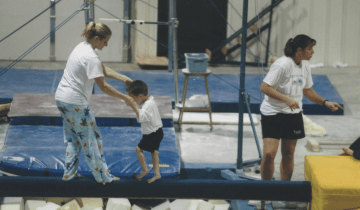
This research studied falls in ambulatory children and adults with CP specifically asking how often they’ve fallen, fall-related injuries experienced, circumstances around the fall, the level of fear or concern about future falls, and the extent to which they do or don’t avoid certain activities due to their concern about falling. This study sets a strong foundation for future fall research, quantifying the breadth and depth of the problem across a large spectrum of age and walking ability.

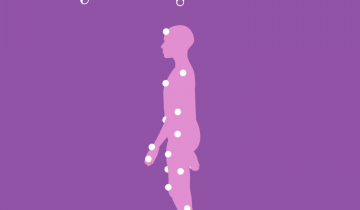
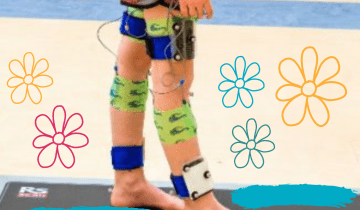
Dr. Tom Novacheck, of Gillette Children's, describes the characteristics of the 4 types of unilateral, otherwise known as hemiplegic gait, and how the use of clinical instrumented gait analysis can help with treatment decision making.
Dr. Tom Novacheck, Gillette Children's, describes what to look for in each of the 4 different gait patterns seen for those with bilateral cerebral palsy and considerations for each type.
Understanding different gait patterns is important because it can determine what interventions will potentially be the most effective.
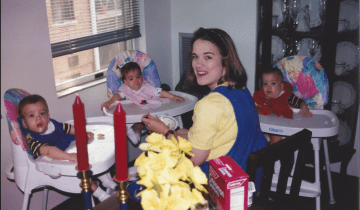
The hardest part of raising two children with Cerebral Palsy is the fact that we live in a world that refuses to adapt to anything beyond ordinary. And I have always -- always -- known that Benjamin and Mason were far beyond ordinary.
A parent's perspective as she recalls the moment she realized that a wheelchair meant freedom for her son and not a barrier to his progress.
My boys were exactly the same amazing, lovable, adorable, brilliant little boys after the diagnosis, that they had been before it. The exact same.
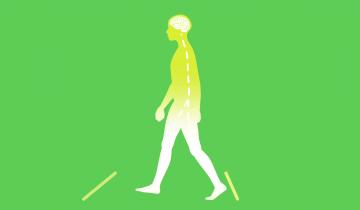
A person’s gait is dependent on the interaction between the nervous, musculoskeletal, and cardiorespiratory systems and has many influences.
Learn about Ava's journey with gait analysis and surgery at Gillette Children's.