Welcome! The Cerebral Palsy Foundation is connecting the Cerebral Palsy community one podcast at a time with “Let’s Talk CP” - the new podcast series bringing you education, conversation, support and much more on a variety of topics. Join Jason Benetti, White Sox and ESPN sports announcer, and friends, as we get real with families, clinicians and researchers asking the questions you want to know about your CP journey. We’re all in this together.
The historic Americans with Disabilities Act (ADA) was signed into law on July 26, 1990, by President George H.W. Bush — marking this month its 30th anniversary. The ADA was the country’s first-ever comprehensive civil rights law for people with disabilities, offering protection against discrimination and imposing accessibility requirements in workplaces and the public. The passage of this law was
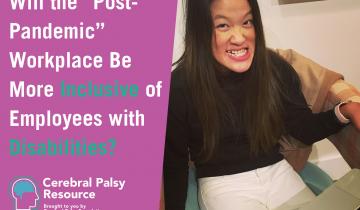
As cities and states across the countries are lifting the COVID-19 lockdown orders, people are returning to work at their offices. However, since the virus is still very much going around, employers must be vigilant about keeping their workplaces as safe as possible. Although we might be seeing a sense of “normalcy,” there’s still a long way to go before reaching the pre-pandemic normalcy—if we
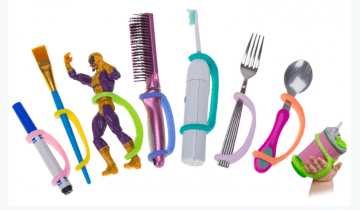
A selection of specially curated products that lead the way in design and innovation
Spasticity is usually caused by central nervous system injuries, such as brain injuries or spinal cord injuries. Spasticity is a little different from stiffness.
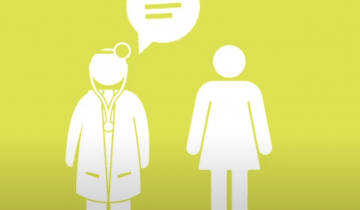
This fact sheet is a sexual and reproductive health guideline for providers treating young women with cerebral palsy.
This podcast is a place for conversations with experts about issues related to cerebral palsy that affect health, fitness, function and participation. We will cover a range of topics including: treatments and therapies, nutrition, neuroplasticity, genetics, exercise and fitness, adaptive sports, accessibility, and new trends.
Podcasts are a great way to learn more about healthcare topics in an in-depth way you can listen to anytime, anywhere.
Cerebral palsy refers to a group of conditions that are caused by problems in brain development and that affect how movement and motor control happen in children. Problems with walking and talking are often the way people start a conversation about cerebral palsy.
As your child with CP is becoming a teenager, there are a couple of things you may want to think about.
It's important for all of us who are imposed with certain physical boundary conditions to push those boundary conditions as far as possible and maintain as much independence as absolutely possible.
All adolescents and young adults experience some peer pressure to engage in drinking or other risky behaviors. Adolescents with cerebral palsy engage in risky behaviors just like other teenagers. Some families find it helpful to sign what's called, a Contract for Life, or a Contract for Safety, with their child. The parent agrees not to yell in the moment and to have a conversation about it the next day. That's one way that adolescents and parents can create some zone of safety around drinking.
Children with cerebral palsy have more complex self-management and self-care demands than children who are typically developing. They have to learn how to deal with medications and they may have to deal with medical equipment. At some point, they're going to have to learn about medical appointments.
A year ago, I wrote in my Forbes column about the decades-long pattern of Pride Month celebrations excluding people with disabilities. The underlying reason why Pride events were (and still are) mostly inaccessible for people with disabilities, both in terms of physical spaces and social acceptance, is that mainstream media and public don’t see them having identities outside of their disabilities.