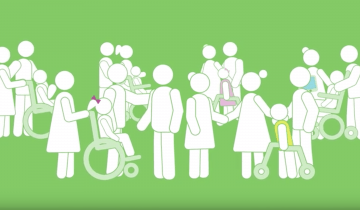
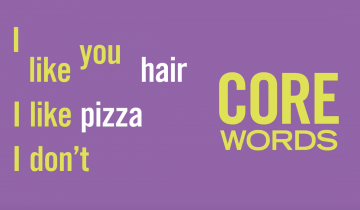
Let me tell you about multimodal communication. We, as typical communicators, all use many different strategies. We use speech, gestures, facial expressions, technology, and no-tech solutions. As communicators, we all size up the situation based upon our communication partners, the context, the environment and then we choose to use the most effective communication strategy.
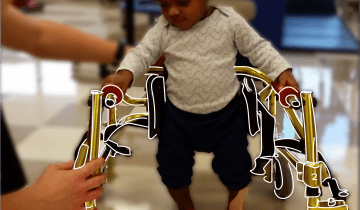
For people with a physical disability, activity is a lifestyle. It's something that can start in physical therapy, but it really is something that has to be carried over into their everyday lives. What has happened over the years is we're understanding the importance of mobility.
When first meeting a parent who's had a child newly diagnosed with cerebral palsy, I really want to try and help them understand their baby. It can be difficult for parents to take it in all at once and many leave that first interview quite overwhelmed, but you're going to meet some really important and helpful people.
Cerebral palsy is a damage to the developing brain in the motor part of the brain. Individuals with cerebral palsy have problems with weakness and sometimes also involuntary movements.
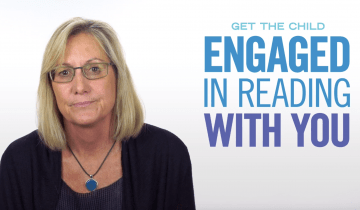
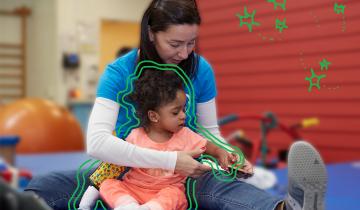
I'm going to be talking about AAC and reading and some different things that you might not think about when you are doing those types of activities. When you're supporting reading for a nonverbal child, whether they use a high-tech system or a light-tech system, like a paperboard, you want to make sure that they have plenty of the opportunities to contribute to the experience. You want to be able to comment. You want to be able to talk about the people, the places, the things, and maybe the feelings that they have.
Every educator needs to make a decision about technology they need to put in place. They're not sure if they should put Option A in place or Option B in place. This can be particularly difficult in the world of disabilities because there might not always be a perfect answer. Teachers can look to this solution, using the least dangerous assumption to make good decisions about what technology might be best.
When you're looking at setting goals for kids with complex communication needs, don't forget about setting goals that are about them interacting in the classroom. It's not just about punching buttons. It's not just about saying vocabulary words. It's about talking with people and showing who you are. Some specific goals that you can look at are in four areas. Educational goals, social goals, inclusion goals, and goals and independence.
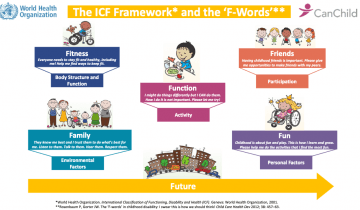
The World Health Organization has developed the ‘International Classification of Function’. This gives us a way to think about any health condition. Here we can see many ideas that we need to think about with CP. We can also see how these many ideas are connected to one another.
It has been scientifically proven that enriched environment can help children with CP gain new skills in their movement but also their thinking and communication skills.
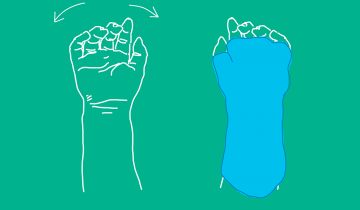
Upper limb therapies and interventions have been well studied in cerebral palsy. Different interventions that have good evidence are Constraint Induced Movement Therapy (CIMT) and Bimanual Therapy. CIMT has been shown to be successful in children with hemiplegic cerebral palsy (CP). CIMT uses a splint to physically constrain the uninvolved arm and encourage them to use the more involved or affected arm.
Early interventions for CP should be based on the strongest possible scientific evidence for benefit and should have the smallest possible risk of harm. In the US, early intervention (EI) is a system of services available under the age of 3, to support infants and toddlers with developmental problems and their families as they interact with and care for their child.
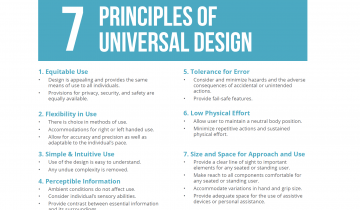
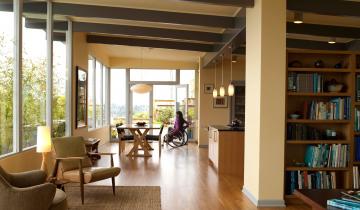
Looking to design a new space? This quick summary of the 7 principles of universal design is an easy go to make sure you are meeting your accessibility needs.
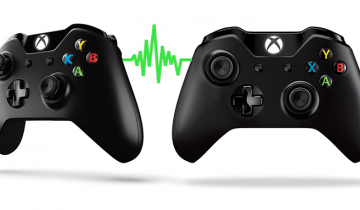
Xbox One’s new copilot feature allows two users to share one controller by combining the input from two controllers, so that two people can play as one. “Now folks with disabilities who need someone else to handle certain actions can turn what would be a cumbersome task into a co-op experience of sorts, ” explained Scott Henson from the Xbox engineering team.
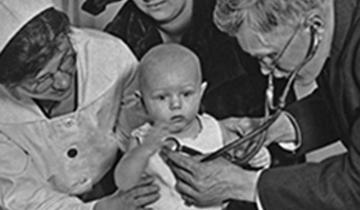
Over the past 70 years the Cerebral Palsy Foundation (CPF) has grown into the largest non-government funder of cerebral palsy research in the United States. This was achieved through the work of the most renowned thinkers in science, research and medicine. But it was first imagined by dedicated, visionary parents who wanted to make a difference.