Researchers studied the natural history of cerebral visual impairment (CVI) in children with cerebral palsy (CP) and identify which early visual signs or symptoms are associated with cognitive visual disorders (CVDs) at school age.
MEVU was initially developed for children with cerebral palsy. It is now being tested with a wider group of parents and caregivers. You can help by taking the MEVU Survey today!
In this special episode from the AACPDM annual meeting, Belinda Deramore Denver talks about vision in CP and her current work to better understand how children use their vision to help intervene early and with the right interventions.
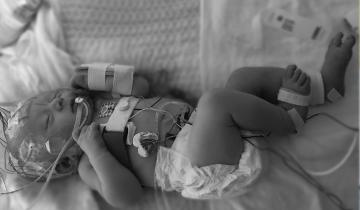
"Cerebral palsy is primarily a motor impairment so it's really important to look at what the child’s motor function is. Are they developing on the trajectory of a child who has cerebral palsy or are they developing as we would expect a baby to develop? "
Children with cerebral palsy experience brain damage around birth or before birth. So the language of the brain in other words, the way they will move, will be different from typical movements. So by looking at their movements, we will understand that there is something that is wrong in the brain.
Early diagnosis begins with a medical history and involves using neuroimaging, standardized neurological, and standardized motor assessments that indicate congruent abnormal findings indicative of cerebral palsy. Clinicians should understand the importance of prompt referral to diagnostic-specific early intervention to optimize infant motor and cognitive plasticity, prevent secondary complications, and enhance caregiver well-being.