In this special episode from the AACPDM annual meeting, Belinda Deramore Denver talks about vision in CP and her current work to better understand how children use their vision to help intervene early and with the right interventions.
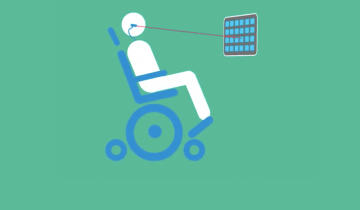
When a person is looking for a way to communicate in alternative ways, they need to find something that really works for them. They need to try to find a voice that sounds natural. They want to try to find a way to be efficient. They want to be able to communicate as normally as possible, even though they're not using their biological voice.
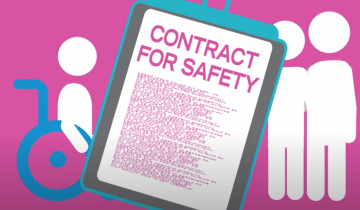
All adolescents and young adults experience some peer pressure to engage in drinking or other risky behaviors. Adolescents with cerebral palsy engage in risky behaviors just like other teenagers. Some families find it helpful to sign what's called, a Contract for Life, or a Contract for Safety, with their child. The parent agrees not to yell in the moment and to have a conversation about it the next day. That's one way that adolescents and parents can create some zone of safety around drinking.
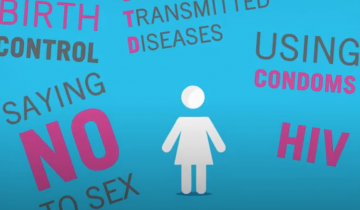
Up to 50% of adolescents with cerebral palsy have an intellectual disability, as well as a physical disability. Adolescents with intellectual disabilities still need sexual health education, they just need it in a way that's more individualized so that they can understand it and use it.