Bimanual therapy, also referred to as intensive bimanual training, engages patients in active play or practice to improve the use and coordination of both hands. Bimanual therapy is different from similar unimanual therapies, like constraint-induced movement therapy (CIMT), because it promotes simultaneous use of both hands.
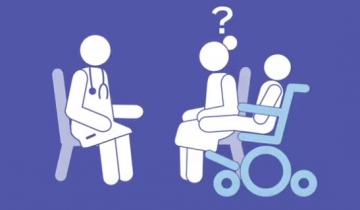
One of the things that was identified through research is that patients with cerebral palsy have higher rates of depression and anxiety than you would see in the general population.
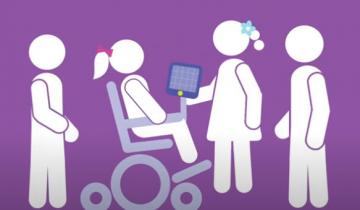
Communication isn't just about building words. It's about making an effort so that the student has that self-confidence to be a good communicator, so that we have that one-on-one partnership of communication.