
This research studied falls in ambulatory children and adults with CP specifically asking how often they’ve fallen, fall-related injuries experienced, circumstances around the fall, the level of fear or concern about future falls, and the extent to which they do or don’t avoid certain activities due to their concern about falling. This study sets a strong foundation for future fall research, quantifying the breadth and depth of the problem across a large spectrum of age and walking ability.

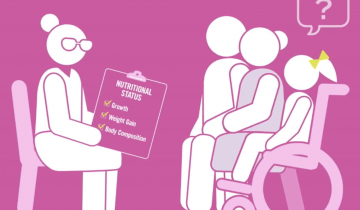
Weight, height and body composition are important indicators for development. The tools used to measure these can be different for children with cerebral palsy.
Children with cerebral palsy (CP) often grow poorly and assessment of growth in this population is further complicated by two main difficulties. Firstly, children may have joint contractures, muscular weakness, scoliosis, and/or involuntary movements that make standing or lying straight difficult, if not impossible.
Every educator needs to make a decision about technology they need to put in place. They're not sure if they should put Option A in place or Option B in place. This can be particularly difficult in the world of disabilities because there might not always be a perfect answer. Teachers can look to this solution, using the least dangerous assumption to make good decisions about what technology might be best.
When you don't have enough evidence about a student's performance, assume they can do whatever you're asking them to do.