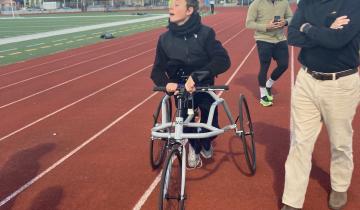
Creating opportunities that enable play in order to combat social isolation, foster inclusive communities, and improve the quality of life for people with disabilities.
Cephable is a free software for individuals that adapts to the user, enabling technology control through voice, face, and motion for a more accessible digital experience.
The Research Works podcast is designed for health professionals in the area of child health, where we discuss emerging, modern, evidence based research.
Parálisis Cerebral Respuestas (Cerebral Palsy Answers) is a podcast in Spanish, that seeks to answer all your questions about Cerebral Palsy! Join me every week for in-depth interviews with top specialists in Cerebral Palsy and individuals living with Cerebral Palsy to get the answers!
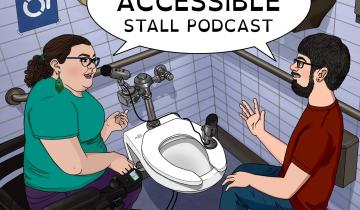
The Accessible Stall is a disability podcast hosted by Kyle Khachadurian and Emily Ladau that keeps it real about issues within the disability community. Because we each have different disabilities and mobility levels, we approach everything we talk about with two unique viewpoints, offering our listeners a fresh insight into how differences in disability can color your experiences and perspectives. And we never shy away from offering our honest opinion. Even if they go against the grain of the disability community at large, we always speak our minds.
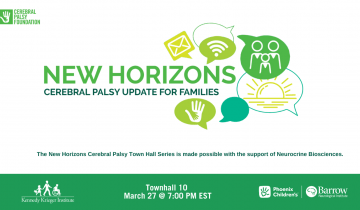
Do you or your child have movements that are difficult to control? Is your mobility and function impacted by abnormal movements or do these movements cause pain? If so, you or your child may have Dyskinesia. If you want to learn more, including how it is treated, don't miss this educational Town Hall with experts Dr. Heather Riordan, from Kennedy Krieger Institute, and Dr. Michael Kruer, from Phoenix Children's.
This presentation from the 2023 AACPDM Community Forum presents a model for creating a smooth transition from pediatric care to adult care for teens and young adults with cerebral palsy.
This presentation from the 2023 AACPDM Community Forum presents and overview and a model creating opportunities for employment for individuals with disabilities.
Early diagnosis begins with a medical history and involves using neuroimaging, standardized neurological, and standardized motor assessments that indicate congruent abnormal findings indicative of cerebral palsy. Clinicians should understand the importance of prompt referral to diagnostic-specific early intervention to optimize infant motor and cognitive plasticity, prevent secondary complications, and enhance caregiver well-being.