Cerebral Palsy is a broad diagnosis that impacts each individual differently. Some individuals walk independently or may use a cane or a crutch for stability and balance, while others use powered mobility or attendant assistance to get around. The reasons why individuals have different levels of assistance needs varies depending on their body parts that are impacted, the way their movements are affected, and the severity of the impact.
Vocational Rehabilitation (VR), operated by the Department of Education, can be utilized for their many tools to aid those with disabilities in the preparation for the job search, finding gainful employment, and maintaining this employment.

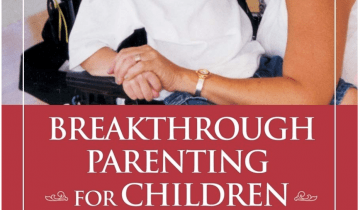
Breakthrough Parenting for Children with Special Needs challenges families and professionals to help children with special needs to reach their full potential by using a proven motivational, how-to approach.
An incredible story of Johnny Agar, born with cerebral palsy and whom doctors thought would never walk, overcoming the odds to compete in Ironman triathlons.

In this exhilarating and inspirational memoir, the first man with cerebral palsy to climb Mount Kilimanjaro and complete the brutal Ironman competition shares the exhilarating adventure that led to his achievements—redefining our ideas of normal and proving that life is never truly limited for any of us.

As a child, John Quinn had a dream of a naval career despite his affliction with cerebral palsy.

In Walking with Friends, D.J. Gregory, a thirty-yearold who has cerebral palsy, describes his year of traveling with the PGA tour and walking every course.

In this groundbreaking book, Dr. Karen Pape tells the story of how some children with early brain damage astounded everyone around them.
What is neuroplasticity? Is it possible to change your brain? Norman Doidge’s inspiring guide to the new brain science explains all of this and more.
Students with disabilities often need extra support throughout the day to access their environment, the academic materials, and learn alongside their peers. A Personal Care Attendant in the school setting is often utilized to support the students needs.
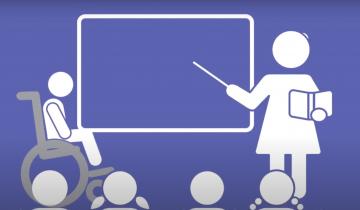
Children and teens with cerebral palsy and other disabilities may need the assistance of an individual who has a background in healthcare and the skills to provide the services essential to quality care.