The Cerebral Palsy Foundation is made up of a committed group of staff, volunteers and leaders from diverse backgrounds. We are so thankful for our partnerships and sponsors who make our work possible.
Browse more than 100 of our expert videos in a broad variety of categories ranging from understanding the diagnosis of cerebral palsy to self care, participation or education.
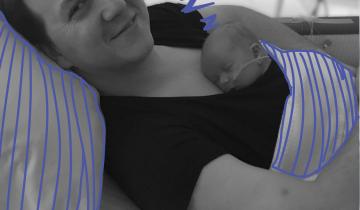
In the most general sense, early intervention for cerebral palsy refers to starting therapeutic approaches as early as possible to improve the development of a baby or young child with a delay or identified motor issue. An early intervention plan should be developed in coordination with families/caregivers to create the best possible outcomes for both the child and family.
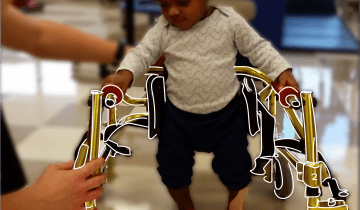
Individuals with cerebral palsy and other disabilities have the right to pursue employment of their choosing but often encounter obstacles in obtaining and keeping meaningful employment. This topic section aims to provide insights and resources into the many employment barriers and solutions to ensure wholly equal and meaningful employment for individuals with cerebral palsy.
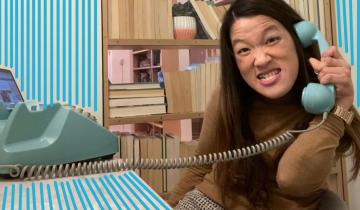
Exercise and physical activity are important for the health and well-being of everyone, yet this area is overlooked for people with cerebral palsy. Sports, physical activity, and recreation is very important for individuals with cerebral palsy of all ages and can result in better quality of life, increased self-esteem and independence. Most activities and sports can be adapted or modified so everyone can participate. Look for activities you are interested in and get moving!
Women with Cerebral Palsy face many challenges. Finding adequate healthcare shouldn't be one of them. The Cerebral Palsy Foundation is committed to improving the health of women with physical disabilities through our Women's Health Initiative. Learn more from our experts and from women themselves.
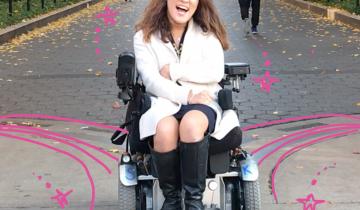
Ensuring that a K-12 student (and beyond) with cerebral palsy accesses their educational environment successfully is a top priority for most families. A variety of accommodations addressing the classroom, testing, vision, communication, school activities and other considerations may be needed for the student to achieve their full potential.
There is no standard therapy that works for every type and every person with CP. Many factors should be considered when putting together a treatment plan. Once a CP diagnosis is made and the type of CP is determined, a team of health care professionals will work to develop a treatment plan to meet your goals.
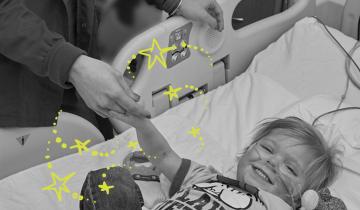
Hand function is affected in more than 60% of individuals with cerebral palsy to some degree. In milder types of CP, this may only mean a little bit of weakness in hands and fingers. In more severe cases, people may not be able to adequately use one of both of their hands. Treatments targeting upper limb function aim to improve functional abilities, promote functional independence, and/or reduce muscle tone.
Sleep problems are common in people with cerebral palsy and can adversely impact activities, participation, and quality of life.
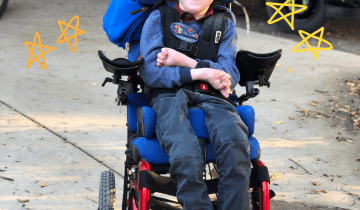
Most people with cerebral palsy utilize some form of equipment to assist with mobility or positioning. These can range from custom orthotics to elaborate powered wheelchairs, gait trainers, walkers, and more. Each individual is different and equipment should always be tailored to meet the unique needs of the user.
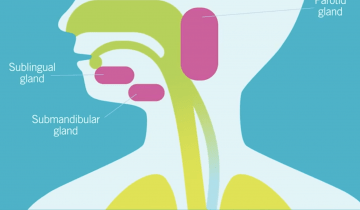
Adopting and maintaining good personal hygiene and self-care habits are important for health, wellness, social acceptance, and the prevention of illness. Though having cerebral palsy does not cause poor hygiene, physical impairments associated with cerebral palsy can make routine hygiene habits difficult for individuals and their caregivers. This section looks at common hygiene and self-care issues that arise with cerebral palsy and offers insights, tools, and techniques that can help develop and maintain good habits.
Cerebral Palsy (CP) is the most common lifelong motor disability impacting more than 17,000,000 people around the world. CP is the result of damage to the developing brain and describes a group of movement disorders that affect a person’s ability to move and maintain balance and posture.
We believe accessible environments are designed to meet the needs of people of all abilities. By using accessible technology—like screen readers, real-time captioning, and ergonomic tools—and following universal design principles, you can make your home and workplace safer, easier to use, and more comfortable for everyone. There are lots of resources available, including stories from people with first-hand experience and expert advice on how to improve accessibility across all settings. You can browse these stories and get tips from universal design experts to help create spaces that work well for everyone.
Good nutrition is important to ensure optimal growth and healthy muscle and bone development across the lifespan. Children and adults with cerebral palsy often face difficulties with eating and drinking that can be improved with proper assessment and interventions. It is important to know that there are specific growth charts, assessments and approaches for individuals with cerebral palsy that can help improve their nutrition and growth.