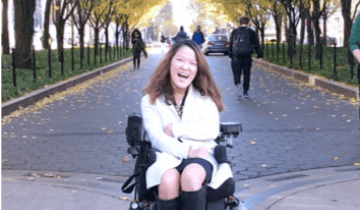
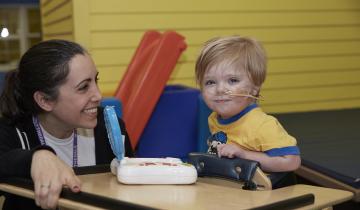
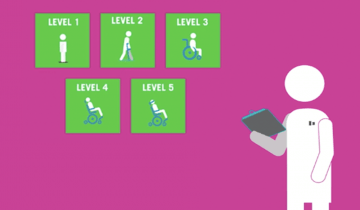
Although the brain injury that causes cerebral palsy is nonprogressive, adults with CP can experience a variety of symptoms as they age which often depend on the type of CP they have, as well as the level.
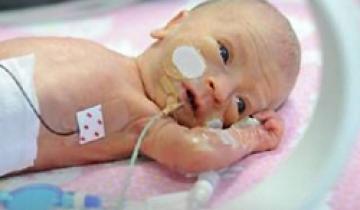
Infants with CP frequently have developmental and motor delays, in which they are slow to reach milestones such as learning to roll over, sit, crawl, or walk. The symptoms of CP differ in type and severity from one person to the next, and may even change in an individual over time.
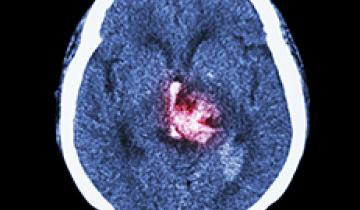
Cerebral Palsy is the most common motor disability in children caused by abnormal development or damage to the motor area of the brain’s outer layer (called the cerebral cortex), the part of the brain that directs muscle movement. This damage can occur before, during, or shortly after birth.