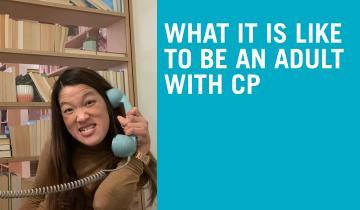
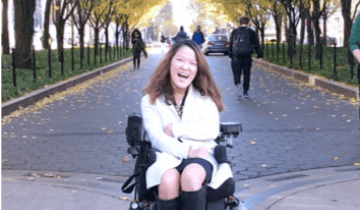
I have cerebral palsy spastic diplegia. So it affects my legs and sometimes my fine motor skills. I walk with two canes. I do things a little slower, but I get things done.
As we all know, becoming a teenager means significant upheaval, not only physically, but in terms of friendships, in terms of learning, and life outlook. This is also true for adolescents with cerebral palsy and other developmental disabilities. We know that whilst we may of spent a lot of time focusing on their physical abilities and other difficulties it is not the only part of their life.
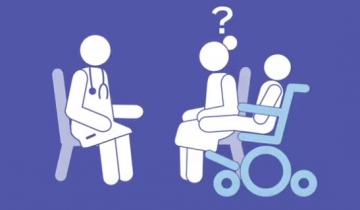
One of the things that was identified through research is that patients with cerebral palsy have higher rates of depression and anxiety than you would see in the general population.
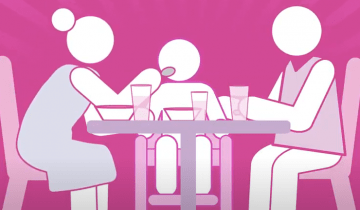
Oropharyngeal dysphagia, or OPD, is an impairment of the oral or pharyngeal phases of the swallow. This can impair muscle movements and coordination of the mouth, such as the lips, tongue, jaw, cheeks, palate, and also muscles of the pharynx and the entry to the airway.
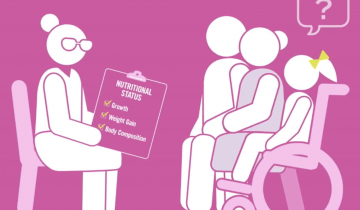
Weight, height and body composition are important indicators for development. The tools used to measure these can be different for children with cerebral palsy.
Children with cerebral palsy (CP) often grow poorly and assessment of growth in this population is further complicated by two main difficulties. Firstly, children may have joint contractures, muscular weakness, scoliosis, and/or involuntary movements that make standing or lying straight difficult, if not impossible.
I’m at that age when Facebook friends begin to get engaged and married, and shortly after, have children. So, I feel the pressure to proceed onto the next stage of my adulthood. But, as anyone with cerebral palsy knows, everything in life is a tad more complicated with this disability.
When we have a physical disability, our bones can get a bit weak or osteoporotic. Something that can be improved is promoting bone health for people with cerebral palsy.
Although the brain injury that causes cerebral palsy is nonprogressive, adults with CP can experience a variety of symptoms as they age which often depend on the type of CP they have, as well as the level.