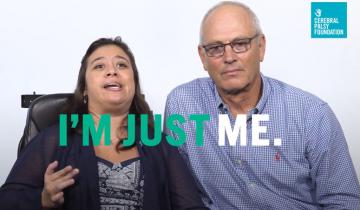
In this special episode from the AACPDM annual meeting, Belinda Deramore Denver talks about vision in CP and her current work to better understand how children use their vision to help intervene early and with the right interventions.
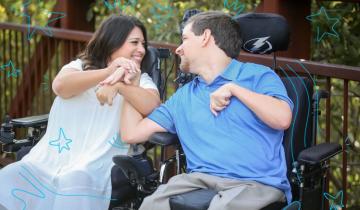
Growing up with Cerebral Palsy I often wondered if I would ever experience my happily ever after. The fairytales my mom read me always followed the life of a beautiful princess falling in love with a handsome prince. You never read about a prince and princess in wheelchairs or with any type of disability for that matter.
Cerebral Palsy affects body movement, muscle control, muscle coordination, muscle tone, reflex, posture and balance. Depending on the part of the brain that is injured depends on how someone’s muscle tone will be effected. For people with spastic CP they have increased muscle tone because of the part of the brain that's injured. If causes very tight muscles which in turn effects the movement of the joints and of the limbs. For others who have dyskinetic CP they lose the ability to have voluntary control over their muscles, and they can have jerky and uncontrolled movement patterns.