
This research studied falls in ambulatory children and adults with CP specifically asking how often they’ve fallen, fall-related injuries experienced, circumstances around the fall, the level of fear or concern about future falls, and the extent to which they do or don’t avoid certain activities due to their concern about falling. This study sets a strong foundation for future fall research, quantifying the breadth and depth of the problem across a large spectrum of age and walking ability.

As 20% of women with CP surveyed experienced pregnancy, there is a need to increase awareness, education, support, and advocacy for achievement of optimal reproductive health.
This fact sheet has been created for women with cerebral palsy to provide answers to some common questions about CP, pregnancy, and birth. Women with CP should follow general guidelines about getting healthy before getting pregnant, but women with CP may need to do other things as well to prepare for pregnancy.
Cerebral palsy is a damage to the developing brain in the motor part of the brain. Individuals with cerebral palsy have problems with weakness and sometimes also involuntary movements.
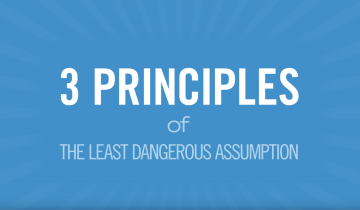
Every educator needs to make a decision about technology they need to put in place. They're not sure if they should put Option A in place or Option B in place. This can be particularly difficult in the world of disabilities because there might not always be a perfect answer. Teachers can look to this solution, using the least dangerous assumption to make good decisions about what technology might be best.
When you don't have enough evidence about a student's performance, assume they can do whatever you're asking them to do.