This research studied falls in ambulatory children and adults with CP specifically asking how often they’ve fallen, fall-related injuries experienced, circumstances around the fall, the level of fear or concern about future falls, and the extent to which they do or don’t avoid certain activities due to their concern about falling. This study sets a strong foundation for future fall research, quantifying the breadth and depth of the problem across a large spectrum of age and walking ability.

This systematic review looks at all available evidence for pharmacological/neurosurgical interventions for managing dystonia in individuals with cerebral palsy to inform the AACPDM care pathway.
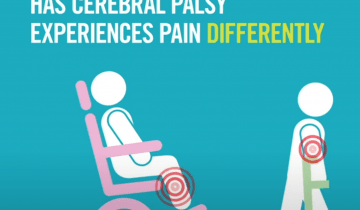
There are so many different causes for potential pain that it can be hard to find the cause. If you have CP or are a parent of someone with CP it is really important to empower yourself with information on pain including what causes it and options for treatment. You need to work out what is causing the pain not just mask it with pain medication.
The typical cognitive assessments that are used for children require them to be able to use their hands to point to pictures or hold puzzle pieces.
When we have a physical disability, our bones can get a bit weak or osteoporotic. Something that can be improved is promoting bone health for people with cerebral palsy.
For a child with CP learning to move, the really important things to remember are that the child should always be active.
It is important to understand the brain injury for each individual person, because they can be really different. Where the injury is can give us important clues to what motor problems that individual will have. The time you have the biggest risk to having a stroke is as a baby, not as an adult so it is important to understand what may be happening in the infants brain.