This research studied falls in ambulatory children and adults with CP specifically asking how often they’ve fallen, fall-related injuries experienced, circumstances around the fall, the level of fear or concern about future falls, and the extent to which they do or don’t avoid certain activities due to their concern about falling. This study sets a strong foundation for future fall research, quantifying the breadth and depth of the problem across a large spectrum of age and walking ability.

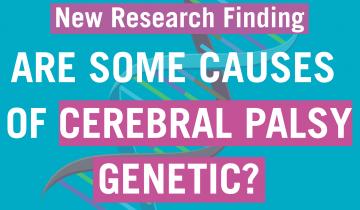
An international study recently published in the journal Nature Genetics has provided the first firm evidence that for a substantial number of people, their cerebral palsy (CP) may be caused by a genetic mutation, or mis-spelling in the body’s DNA blueprint.
"In addition to commonly associated environmental factors, genomic factors may cause cerebral palsy. We performed whole-exome sequencing of 250 parent–offspring trios, and observed enrichment of damaging de novo mutations in cerebral palsy cases."
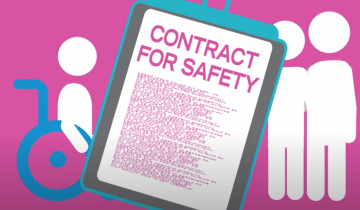
All adolescents and young adults experience some peer pressure to engage in drinking or other risky behaviors. Adolescents with cerebral palsy engage in risky behaviors just like other teenagers. Some families find it helpful to sign what's called, a Contract for Life, or a Contract for Safety, with their child. The parent agrees not to yell in the moment and to have a conversation about it the next day. That's one way that adolescents and parents can create some zone of safety around drinking.
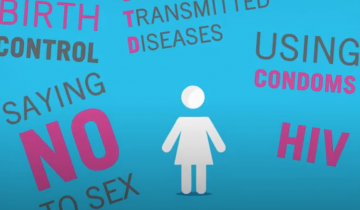
Up to 50% of adolescents with cerebral palsy have an intellectual disability, as well as a physical disability. Adolescents with intellectual disabilities still need sexual health education, they just need it in a way that's more individualized so that they can understand it and use it.