This research studied falls in ambulatory children and adults with CP specifically asking how often they’ve fallen, fall-related injuries experienced, circumstances around the fall, the level of fear or concern about future falls, and the extent to which they do or don’t avoid certain activities due to their concern about falling. This study sets a strong foundation for future fall research, quantifying the breadth and depth of the problem across a large spectrum of age and walking ability.

Though the initial insult or injury to the brain that causes cerebral palsy is non-progressive, aging with cerebral palsy and lack of physical activity during critical periods of development can impact biologic and metabolic function for adults with cerebral palsy.
Cohort-based whole exome and whole genome sequencing and copy number variant (CNV) studies have identified genetic etiologies for a sizable proportion of patients with cerebral palsy (CP). These findings indicate that genetic mutations collectively comprise an important cause of CP.
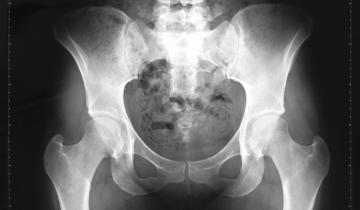
There are multiple factors that impact bone health, including birth weight, nutrition, medications for seizures and/or reflux, genetics, and physical activity. Targeted exercise to improve bone health in childhood can be sustained into adulthood, and childhood is the best time to promote bone health.
To give you an idea about genetic variation between each of us, there are about three million differences in our genetic code. They go to influence the color of our hair and the color of our eyes, the way we walk.