This research studied falls in ambulatory children and adults with CP specifically asking how often they’ve fallen, fall-related injuries experienced, circumstances around the fall, the level of fear or concern about future falls, and the extent to which they do or don’t avoid certain activities due to their concern about falling. This study sets a strong foundation for future fall research, quantifying the breadth and depth of the problem across a large spectrum of age and walking ability.

This review explores how muscles adapt to various forms of exercise in children and adolescents with CP.
The purpose of this study was to pilot an intervention of a sport-based youth development program modified for accessibility for children and adolescents with movement challenges, with the goal of community-based running participation using running frames.
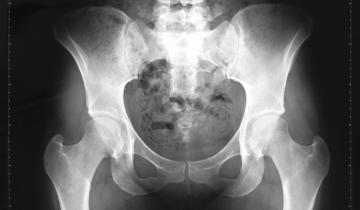
There are multiple factors that impact bone health, including birth weight, nutrition, medications for seizures and/or reflux, genetics, and physical activity. Targeted exercise to improve bone health in childhood can be sustained into adulthood, and childhood is the best time to promote bone health.
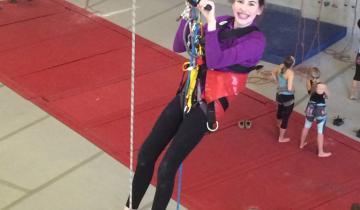
There are many kinds of physical activities that people with cerebral palsy can participate in – for both ambulatory people as well those who use various mobility devices. Knowing just what activities are right for whom can be tough, this article helps to sort that out.