
This research studied falls in ambulatory children and adults with CP specifically asking how often they’ve fallen, fall-related injuries experienced, circumstances around the fall, the level of fear or concern about future falls, and the extent to which they do or don’t avoid certain activities due to their concern about falling. This study sets a strong foundation for future fall research, quantifying the breadth and depth of the problem across a large spectrum of age and walking ability.

Our educational series kicked off with a panel of experts from the Weinberg Family CP Center at Columbia University Irving Medical Center in New York City on Thursday, November 5th, 2020 at 6:30pm ET. This virtual event featured a multi-disciplinary panel discussion with Weinberg Family CP Center clinicians and researchers.
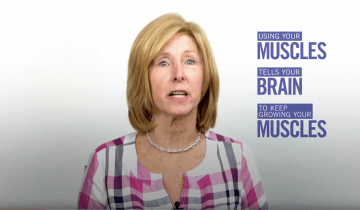
Cerebral palsy is an injury to the brain, but what we find is that it has a lot of effects on how you use your muscles.
For people with a physical disability, activity is a lifestyle. It's something that can start in physical therapy, but it really is something that has to be carried over into their everyday lives. What has happened over the years is we're understanding the importance of mobility.
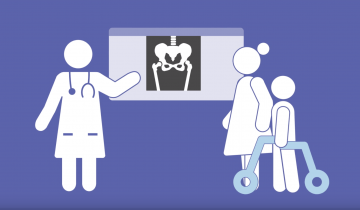
If your child has cerebral palsy, there's a good chance that he or she will have a hip x-ray at some point or they may even require regular hip x-rays. It is important for you to understand the different components of a hip x-ray. Your doctor will be looking at the hip joint itself as well how well the bones are growing.
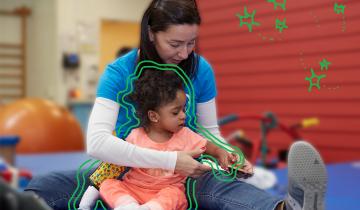
Early interventions for CP should be based on the strongest possible scientific evidence for benefit and should have the smallest possible risk of harm. In the US, early intervention (EI) is a system of services available under the age of 3, to support infants and toddlers with developmental problems and their families as they interact with and care for their child.
In general, children with cerebral palsy will have stiffness around the hips and they tend to develop atypical hip positioning as a result of their spasticity. They will develop hip flexion contractures, abduction contractures, and they will have difficulty with seating as well as bathing and hygiene.